Free in-home measure and quote — PGT, CGI and CWS impact lines compared on your actual openings, style by style
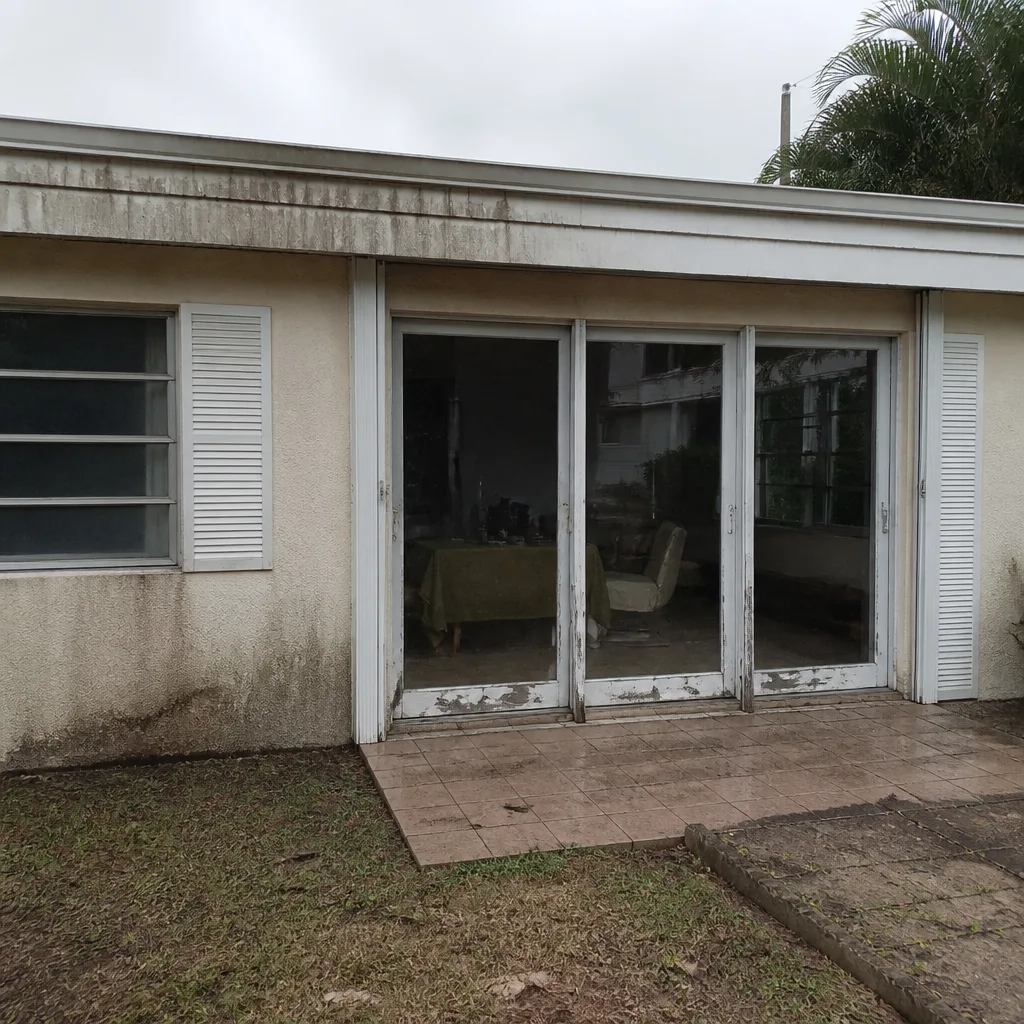 Before
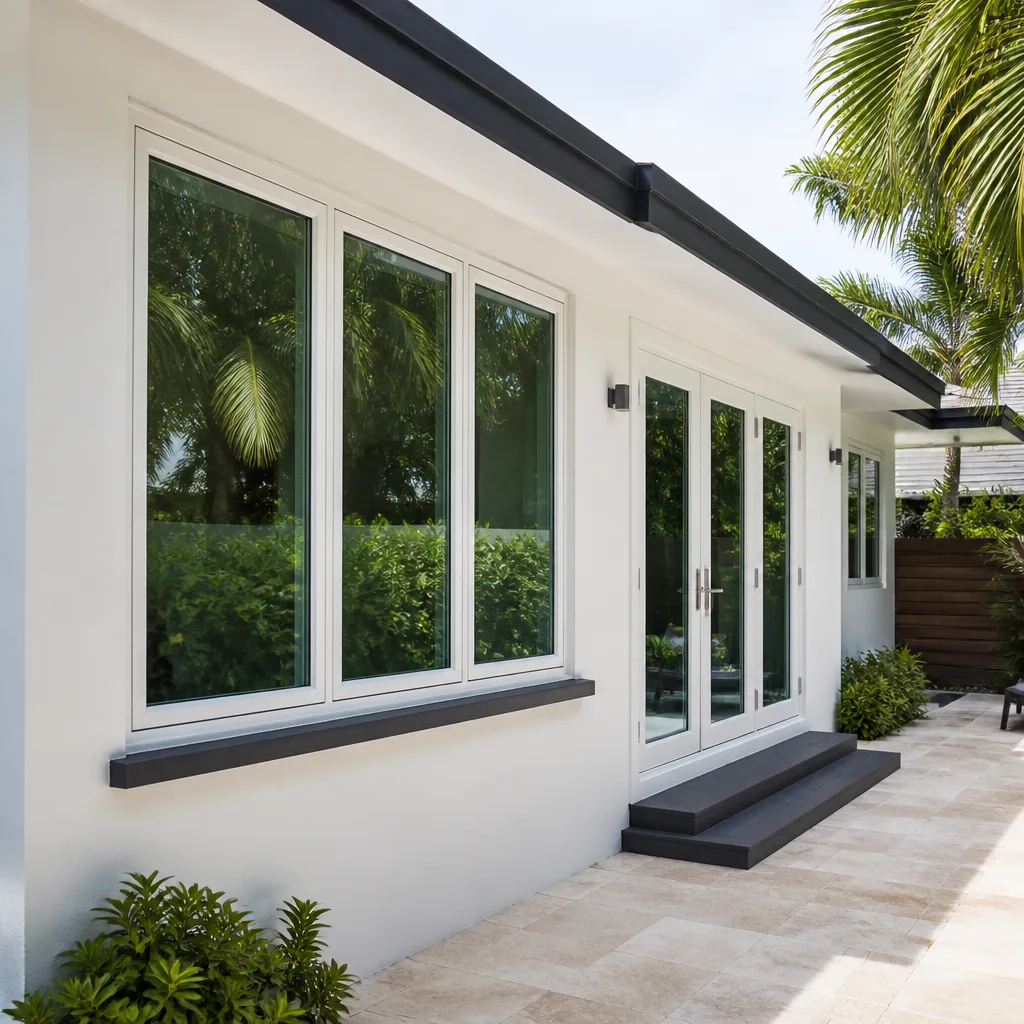 After
After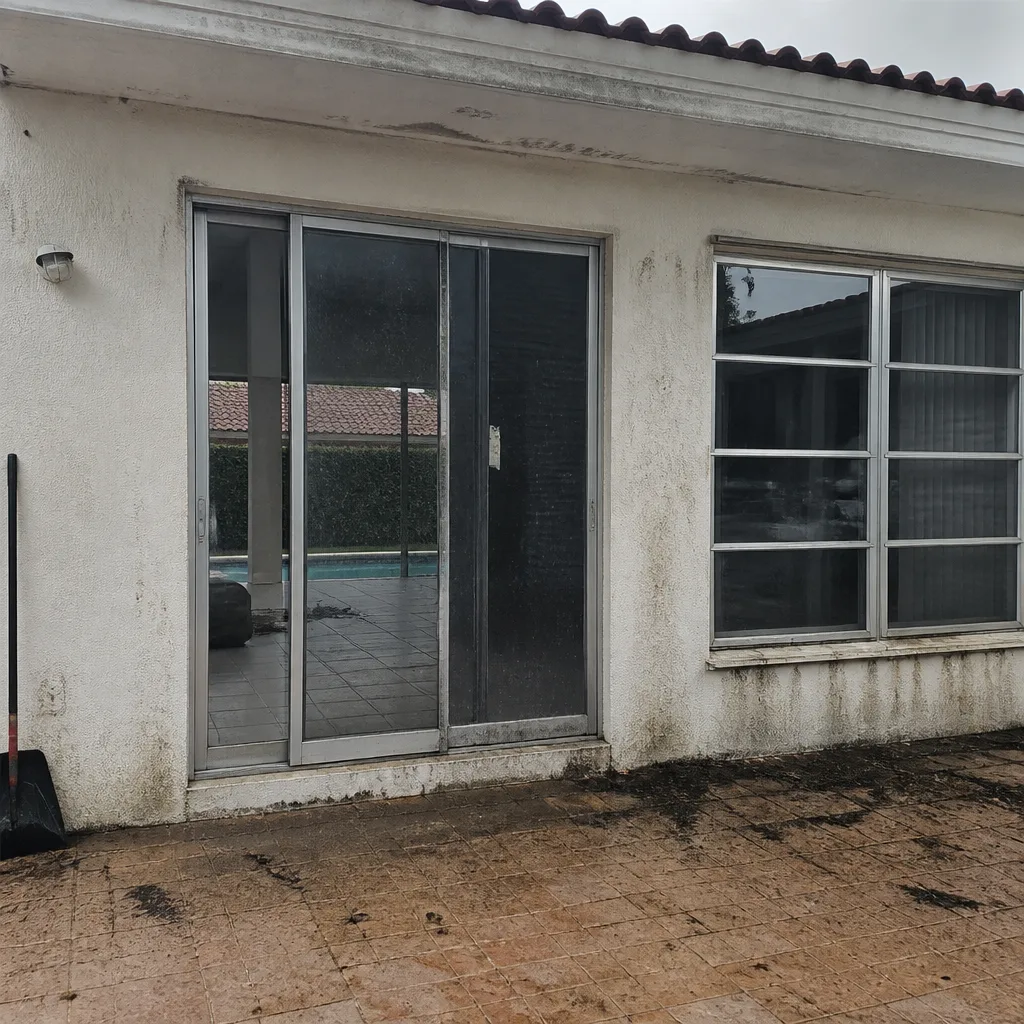 Before
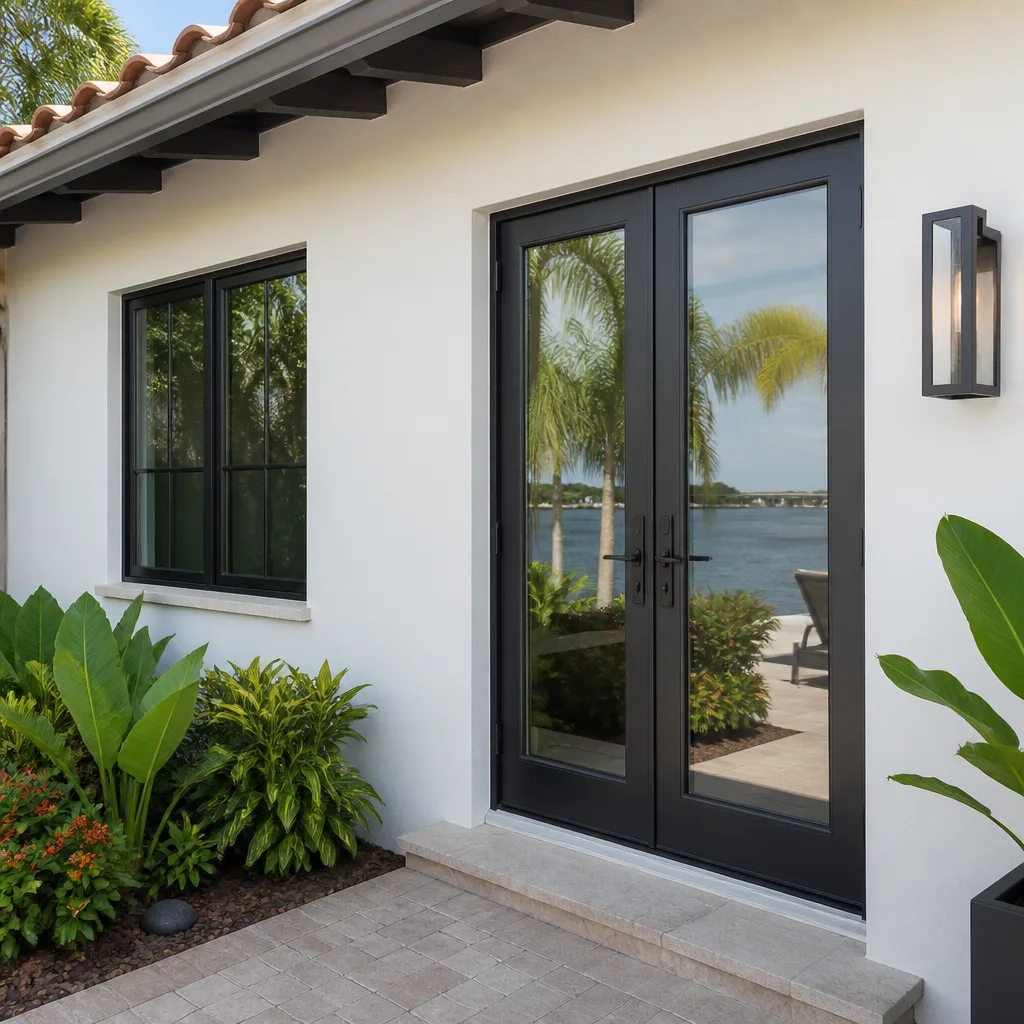 After
After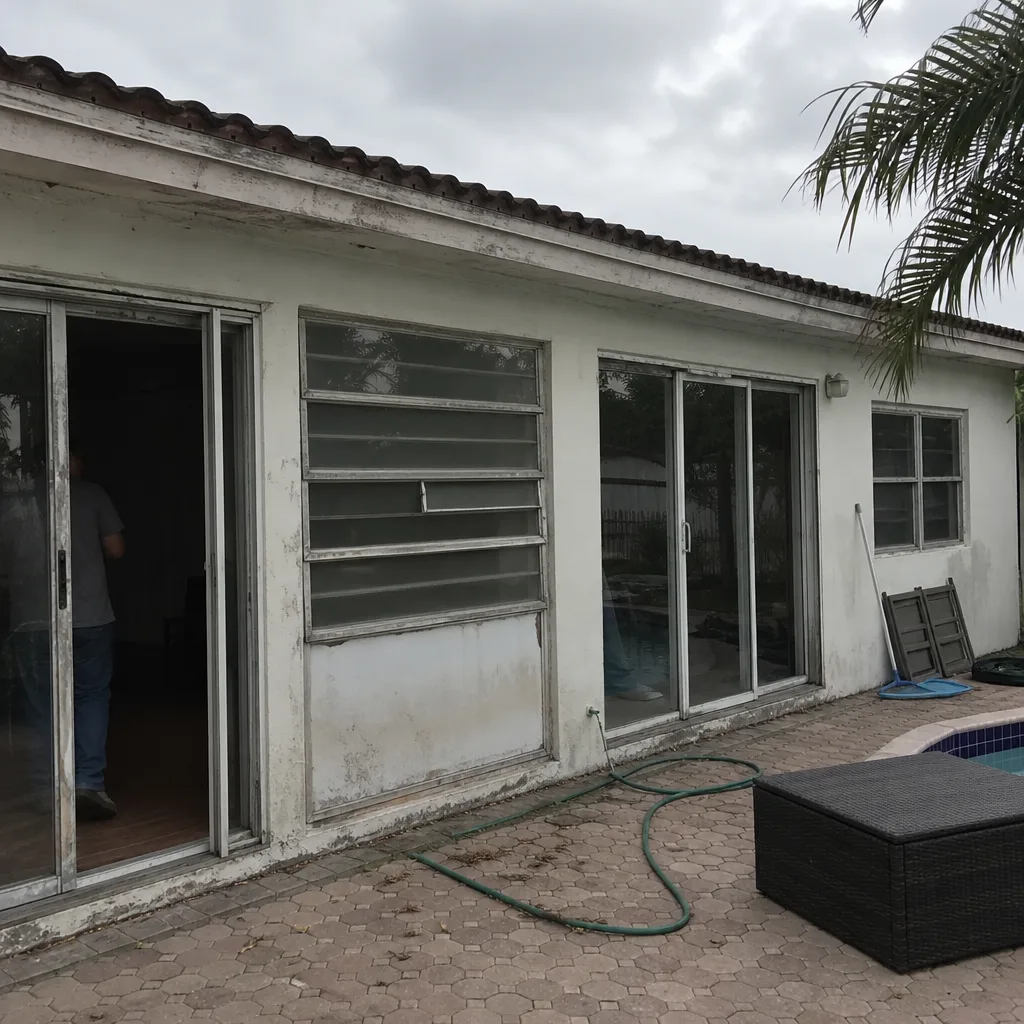 Before
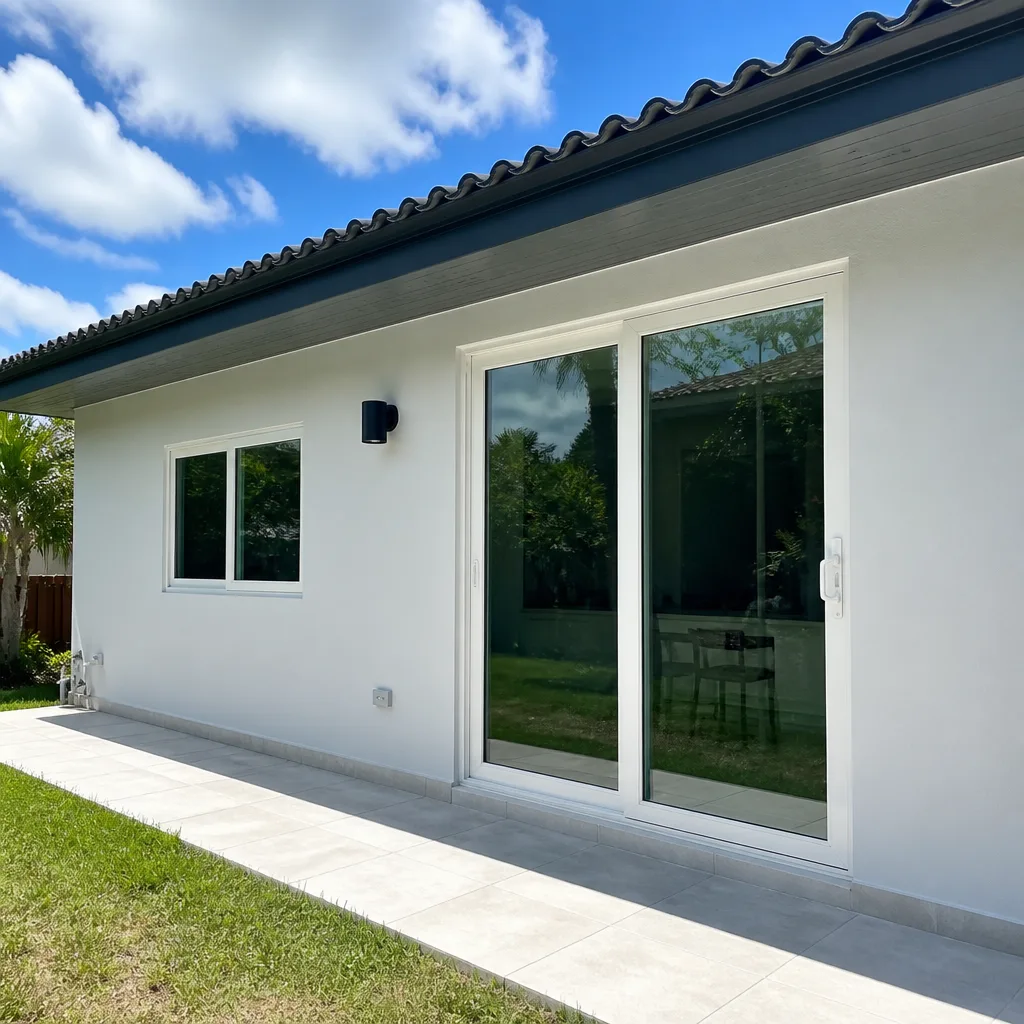 After
AfterDouble Hung Windows in Miami, FL | Winslow Windows & Doors
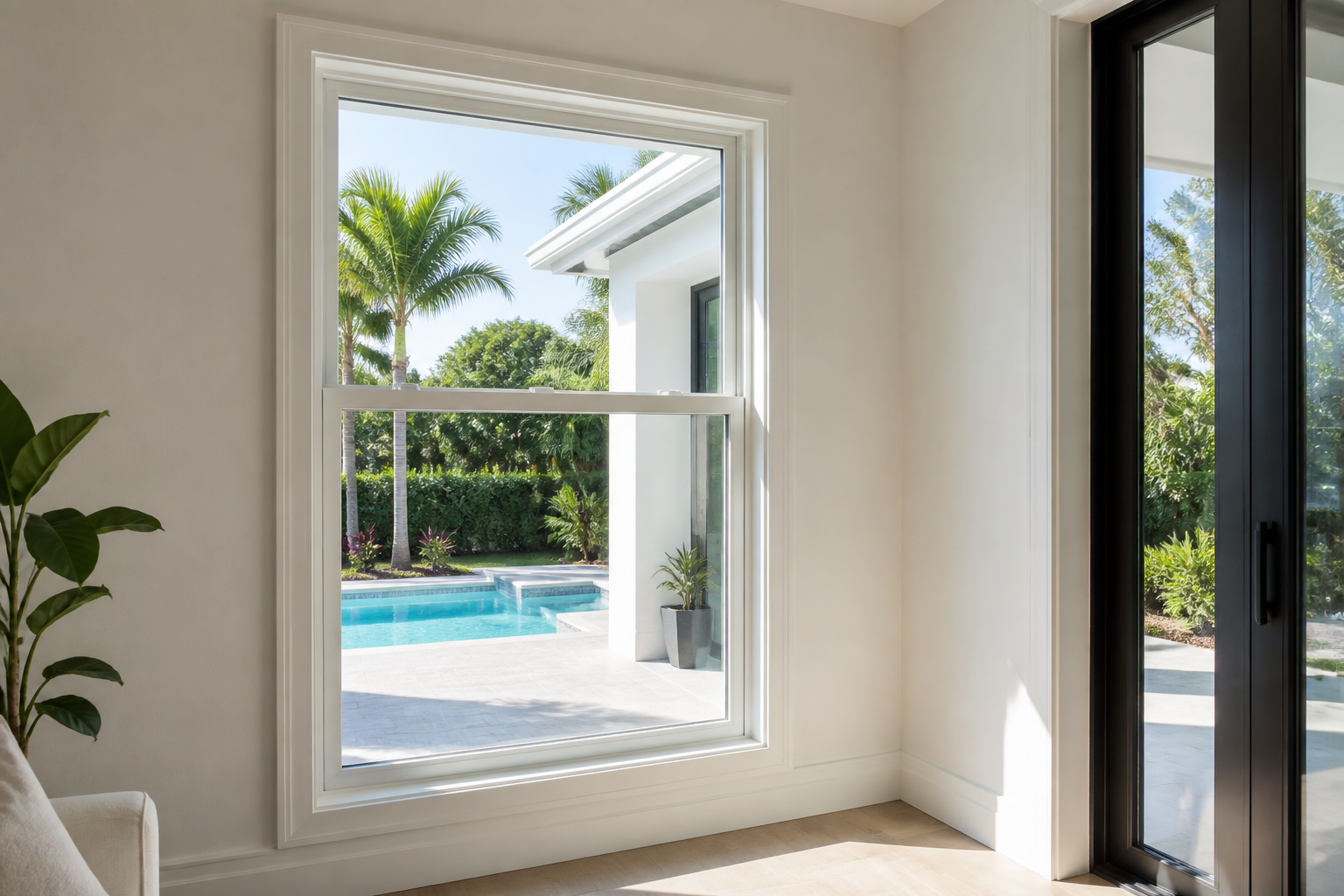
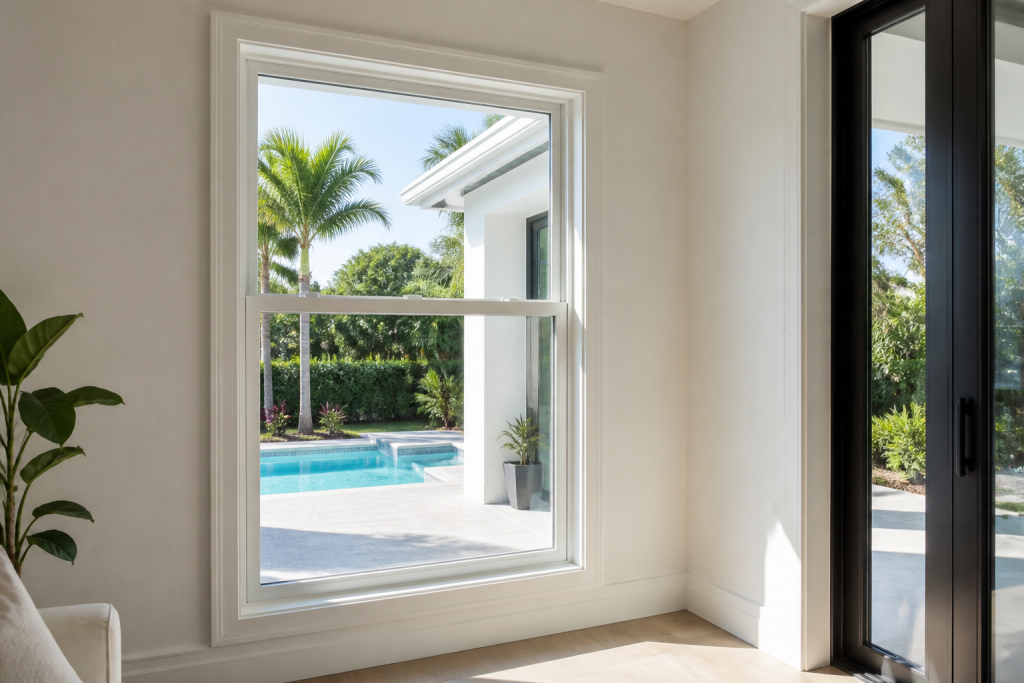
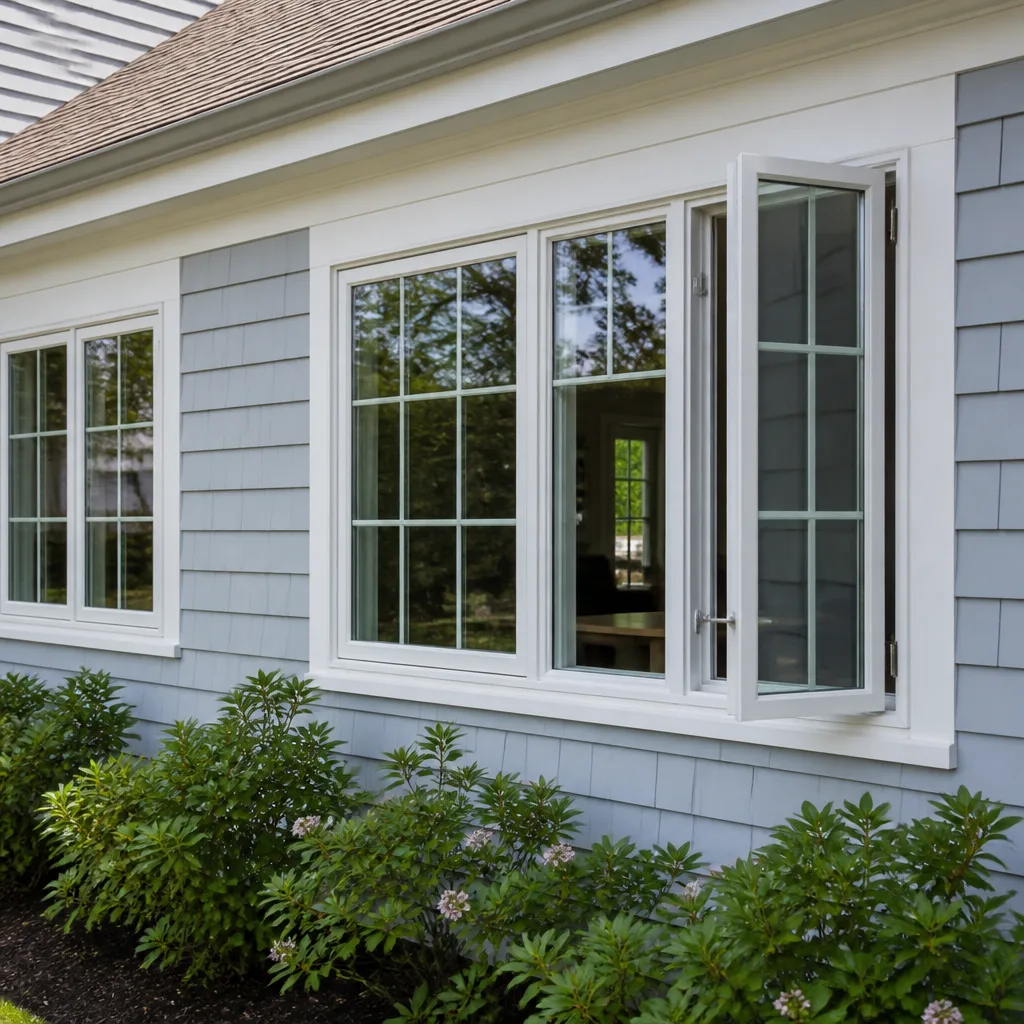
Double hung windows are the classic vertical-sash profile you see on older Florida homes from Coral Gables to Coconut Grove, but ours are built for modern hurricane codes. Both the top and bottom sashes slide vertically and tilt inward for cleaning, which is why Miami homeowners keep choosing them for bedrooms, second stories, and anywhere a traditional look matters. Winslow Windows & Doors supplies and installs impact-rated double hung windows across Miami-Dade County, engineered for the High-Velocity Hurricane Zone and matched to your specific wind zone. You get the familiar architecture with laminated impact glass behind it. Call (844) 901-4551 to talk through your project.
Product Overview — Double Hung Windows
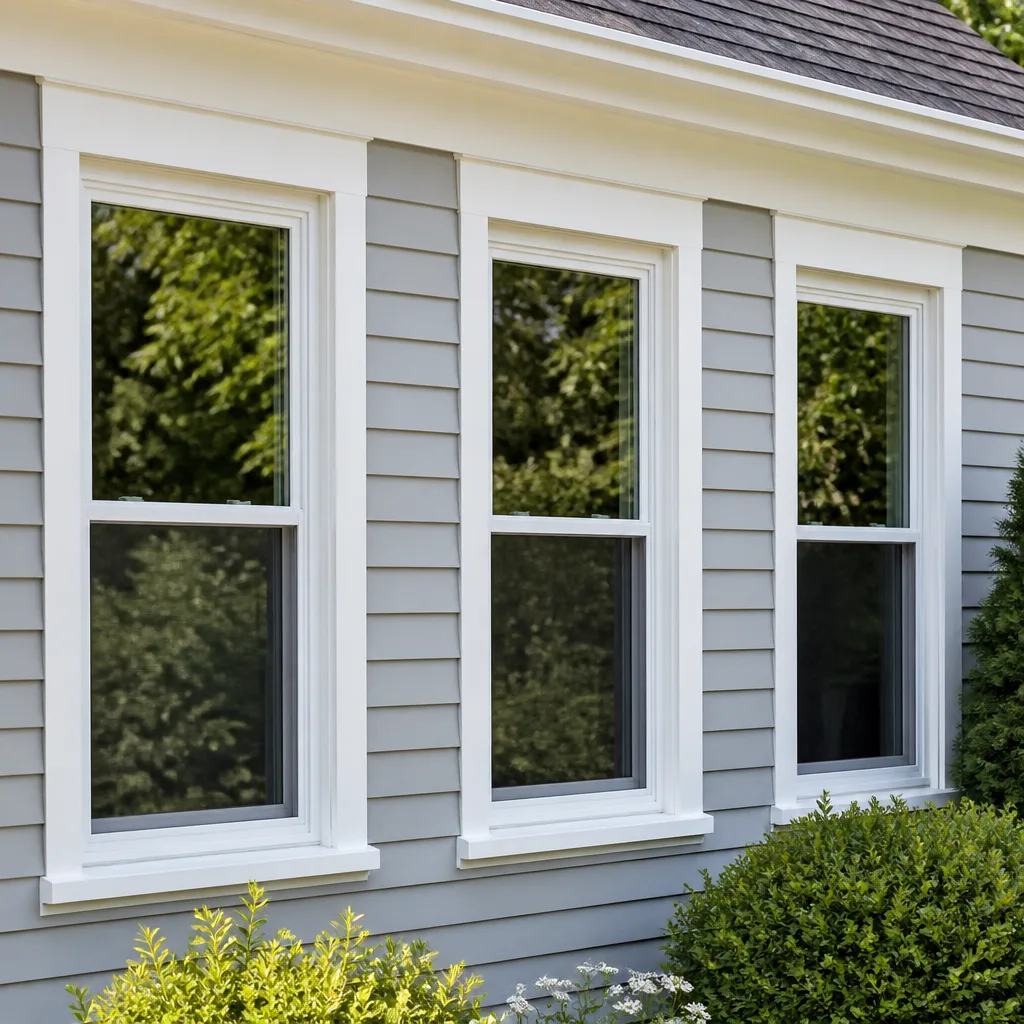
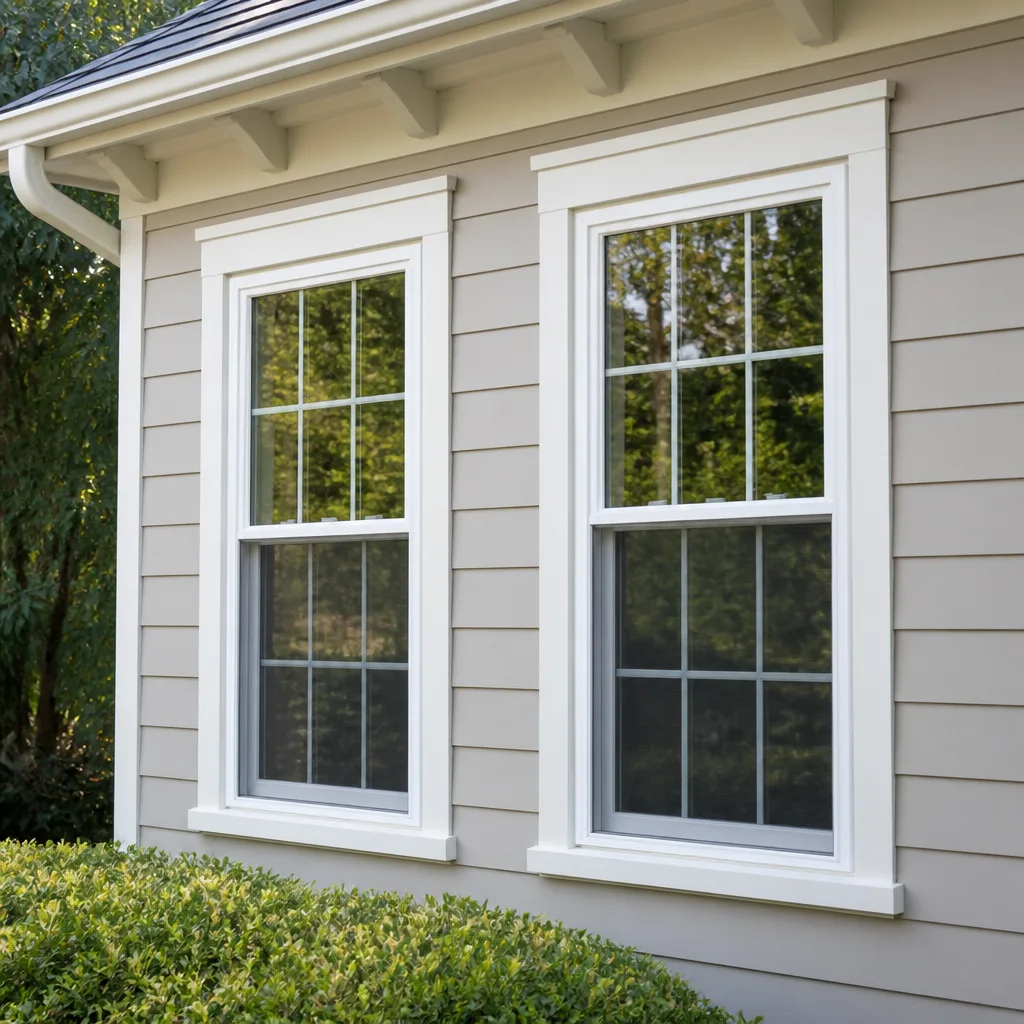
The double hung is the most traditional window profile in American residential architecture, and Miami has thousands of homes that depend on that look. Our impact series keeps the classic vertical-glide operation while replacing everything behind the frame with hurricane-rated engineering. Both sashes tilt inward for cleaning, which matters on second and third floors where exterior access is awkward. The laminated impact glass sits inside a reinforced frame, so a storm-driven piece of debris hits the glass and the PVB interlayer holds the shattered pane in place. No breach, no pressure surge inside the house, no roof peel.
Frankly, this is the window homeowners request most when they want to preserve a home’s character without compromising on code compliance. We’ve installed these in Mediterranean-style homes in Shenandoah, mid-century builds in Miami Shores, and newer construction in Doral. The double hung fits nearly every architectural language in South Florida because the profile predates the region’s style debates. It simply looks like a window should.
Winslow Windows & Doors carries this profile across our PGT, CGI, CWS, ES Windows, ECO, and Mr-Glass lines. Each manufacturer configures frames and glass differently, but all of them meet the Florida Building Code requirements we require for Miami installations. We’ll help you sort through which configuration makes sense for your wind zone, your budget, and the exposure on each side of the house.
Technical Specifications
- Frame materials: Aluminum or vinyl. Aluminum gives you slimmer sightlines and is the standard for coastal exposure; vinyl offers better thermal isolation and sits well on inland Miami homes.
- Glass options: Laminated impact glass with PVB interlayer (required for HVHZ impact compliance), Low-E insulated glass, tinted glass, or clear glass.
- Finish options: White, almond, bronze, black, and tan. Powder-coated aluminum or finished vinyl, depending on frame material.
- Screen options: Half screen for lower-sash ventilation, or full screen for both sashes.
- Operation: Both sashes glide vertically on balanced spring or block-and-tackle systems. Sashes tilt inward for interior cleaning.
- Design pressure: Matched to your wind zone, up to +/-100. Never higher than your opening requires.
Hurricane & Compliance Performance
Laminated Impact Glass — The PVB interlayer bonds two panes of glass together. When a piece of storm debris hits, the glass fractures but the interlayer holds the pane in the frame. The house stays sealed. That’s the entire point of impact glazing, and it’s what keeps Miami homes intact during wind events when an ordinary window would blow out.
Miami-Dade NOA / Florida Product Approval — Each configuration carries a Miami-Dade Notice of Acceptance and Florida Product Approval number issued per specific product configuration. We verify the exact approval numbers on your quote so your permit application goes through the building department without a back-and-forth.
FBC / HVHZ Compliance — These products are engineered to the Florida Building Code High-Velocity Hurricane Zone requirements. Miami-Dade and Broward both fall under HVHZ jurisdiction, so this isn’t a marketing badge. It’s the legal baseline for anything installed within county limits.
TAS 201 / 202 / 203 Testing Context — HVHZ-rated products are tested under the TAS protocol family: TAS 201 for large-missile impact, TAS 202 for cyclic wind-pressure loading, and TAS 203 for forced-entry resistance. When we quote a double hung with NOA numbers, this is the testing battery those approvals represent.
Design Pressure Matched to Your Wind Zone — We don’t upsell a +100 design pressure rating to a house in a lower wind zone. Your windows should be engineered for the actual wind zone and exposure category of your specific home. We match the rating to the opening, which keeps pricing honest and the permit submittal accurate on homes across Miami.
Energy Performance — Laminated impact glass is the structural baseline, but Low-E insulated glass can be layered into the configuration for better thermal performance. Tinted glass helps with glare and solar gain on east- and west-facing walls, which matters in Miami afternoons when the sun hammers the back of the house.
Color & Glass Options
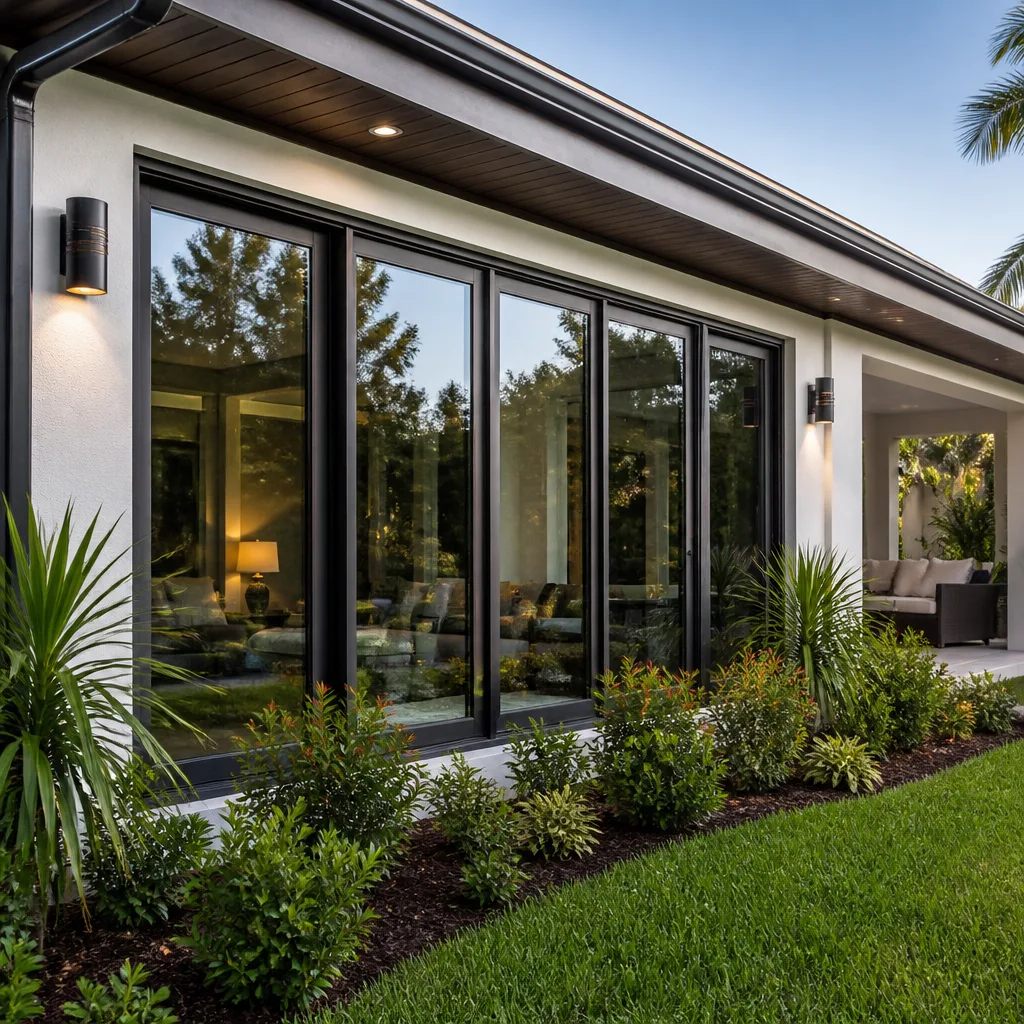
White and almond dominate Miami’s older neighborhoods and suburban homes. Bronze and black finishes read more current and work well on contemporary builds in Edgewater, Midtown, and the new construction rising around Wynwood. Tan finishes blend with the stucco earth tones common in Westchester and Kendale Lakes. If your architectural style is coastal Mediterranean, white or almond generally match the trim heritage; if the home leans modern or industrial, bronze and black frames sit comfortably.
On glass, we start with laminated impact glass as the structural base, then layer in choices based on what each side of the house faces. Clear glass makes sense for northern exposures or windows shaded by porches and trees. Low-E insulated glass matters when you’re replacing old single-pane aluminum windows on a wall that takes direct afternoon sun. Tinted glass cuts glare in rooms with heavy screen-time or east-facing morning exposure. We’ll walk you through room-by-room during the estimate and recommend what balances cost against actual comfort in your specific Miami home.
Installation by Winslow Windows & Doors in Miami
An impact-rated double hung window only performs to its NOA rating if it’s installed correctly. In fact, the Miami-Dade approval assumes specific anchoring, shimming, and sealing methods. If an installer cuts corners, the approval is meaningless and the window becomes a weak point in the building envelope. That’s why we install every double hung project ourselves with our own crews, and why the process follows a defined sequence.
We start with a pre-install inspection of every opening. Existing frames get checked for rot, settlement, and out-of-square conditions before we order anything. You’d be surprised how many 60-year-old Miami homes have window openings that drifted a half-inch out of level. We account for that before the windows are fabricated, not after.
On install day, each window is set level, plumb, and square within manufacturer tolerances. Anchoring follows the approved patterns for the specific frame material and mulling configuration. The perimeter gets sealed with AAMA 812 low-expansion foam sealant and the install practice follows AAMA 2400/2410 standards for flashing and installation of fenestration units. Every opening gets a final water test before trim goes back on. We pull permits where required, and for Miami-Dade HVHZ jurisdictions we handle the product approval documentation as part of the permit package.
Miami-specific conditions matter here. Coastal exposure means salt air and higher wind-pressure zones for homes near Biscayne Bay and the Atlantic. Inland homes still get the afternoon thunderstorms and hurricane seasons we all live with. The installation approach adjusts for stucco over CMU, wood-frame walls, or CBS construction. If you’re within a few miles of the coast, we may also recommend specific frame finishes and anchoring upgrades depending on your exposure category.
Improper installation compromises the NOA-rated system. We treat every opening as a structural connection, because in a hurricane, that’s exactly what it is. Call (844) 901-4551 and we’ll schedule a free on-site measurement.
Frequently Asked Questions — Double Hung Windows
Design pressure is matched to your home’s specific wind zone and exposure category, up to +/-100. We don’t sell a single blanket rating because Miami-Dade wind zones vary by location and building height. We’ll calculate the required rating for each opening during the estimate and quote the configuration that meets code for your specific address. Call (844) 901-4551 to confirm what your house requires.
Typical lead times run several weeks from deposit to delivery, depending on the manufacturer line (PGT, CGI, CWS, ES Windows, ECO, or Mr-Glass), frame material, and custom sizes. Standard configurations move faster than custom sizing. We’ll give you a written timeline on your quote so you can plan around it.
Yes, if the home is in an HVHZ jurisdiction, which covers all of Miami-Dade County. The permit application needs the specific NOA or Florida Product Approval number for your exact window configuration. We pull those approval documents and include them in the permit package for every installation, so you’re not chasing paperwork from the manufacturer yourself.
Custom sizing and mulling configurations are available across the lines we carry, within each manufacturer’s approved size ranges. If your opening is non-standard or you want multiple windows joined as a mulled unit, we’ll spec it and verify the approval still applies to that configuration. Some custom configurations require additional engineering, which we handle during the quote. Call (844) 901-4551 with your rough dimensions and we’ll confirm feasibility.
Wash the glass with mild soap and water, and clean the frame and tracks with a soft brush or cloth. The tilt-in sashes make interior cleaning practical, especially on upper floors. For coastal homes, rinse the exterior frame occasionally to clear salt film. Keep the track clear of debris so the sashes glide without resistance. Avoid petroleum-based cleaners and pressure washing the glass or frames. That’s the whole maintenance routine.
Get a Quote — Double Hung Windows in Miami
We’ll measure every opening, verify your wind zone and product approvals, and give you a written line-item quote with no pricing surprises later. Installing impact double hung windows across Miami is what we do every week. Call (844) 901-4551 to schedule your free on-site measurement and walkthrough.
Written by the team at Winslow Windows & Doors, serving Miami, FL with hurricane-impact window and door installations.
Detailed Images