Free in-home measure and quote — PGT, CGI and CWS impact lines compared on your actual openings, style by style
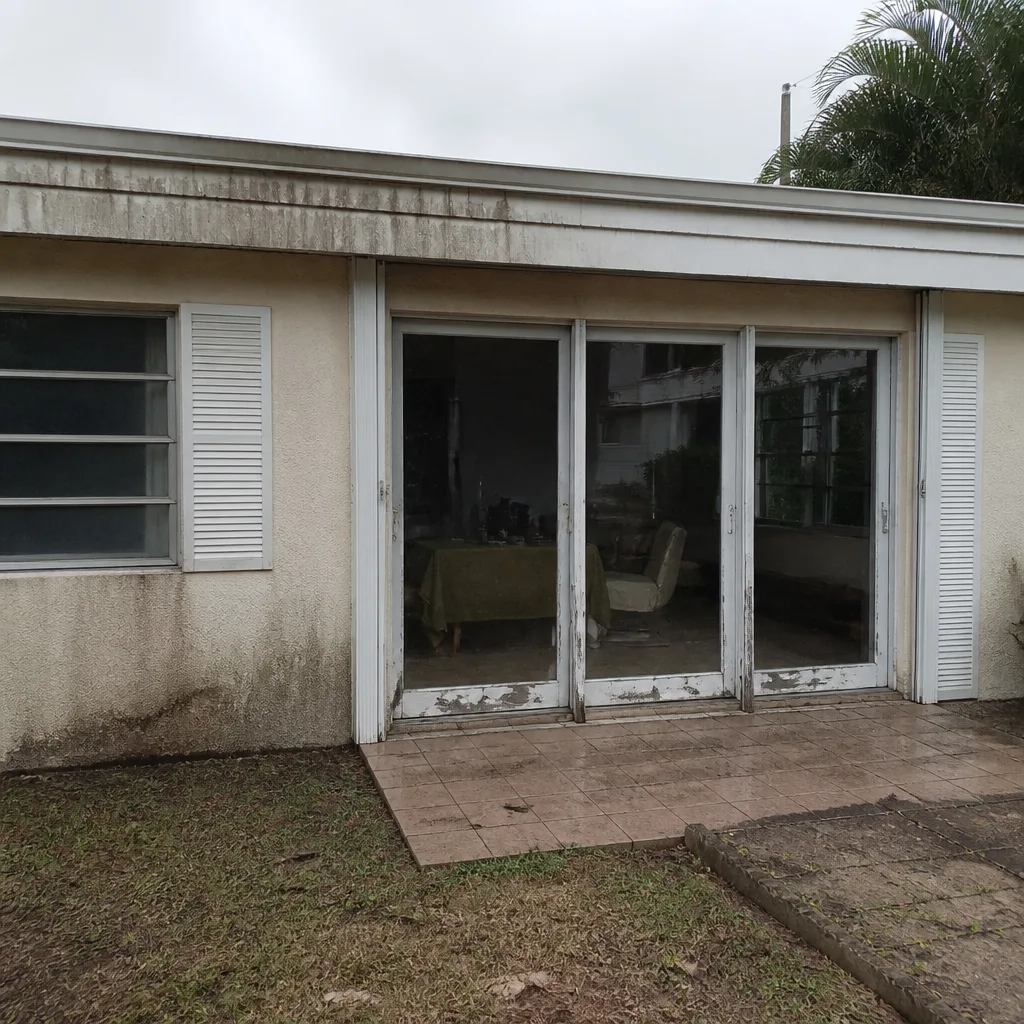 Before
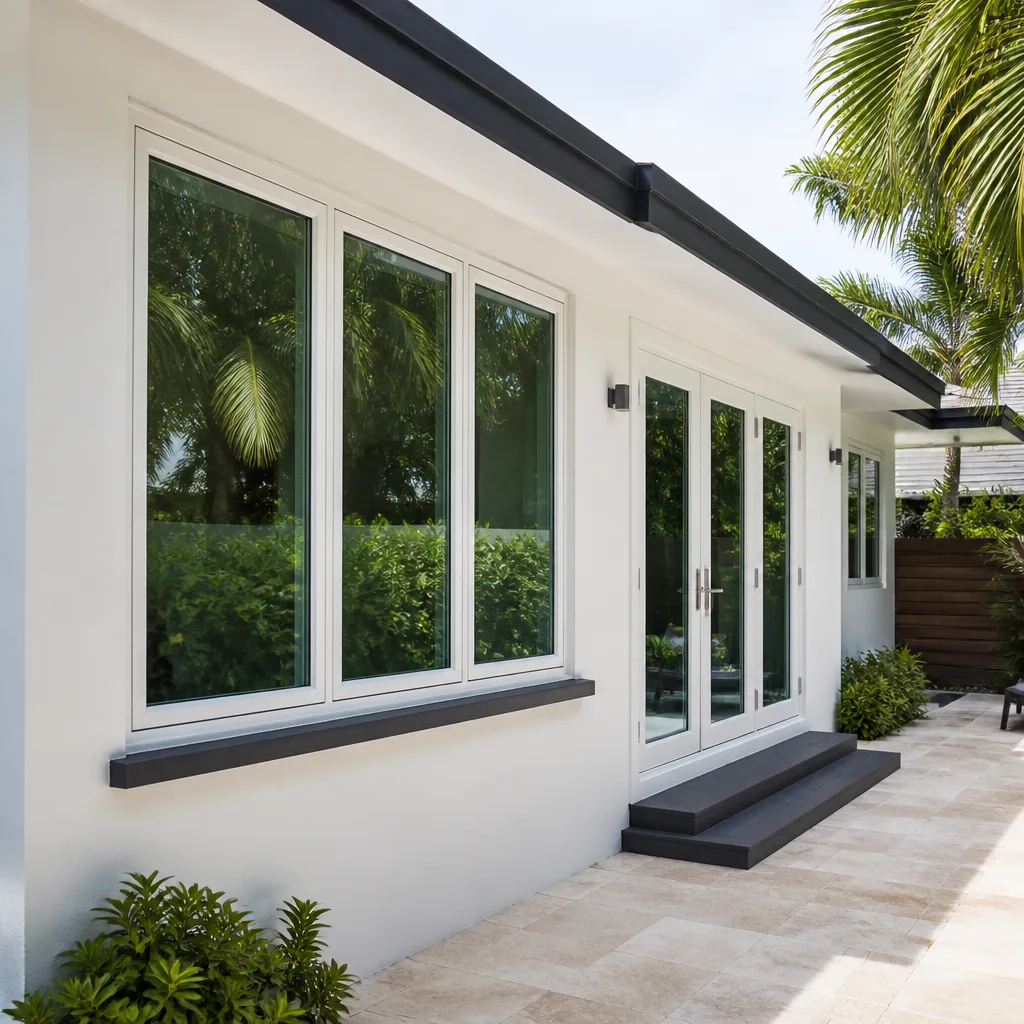 After
After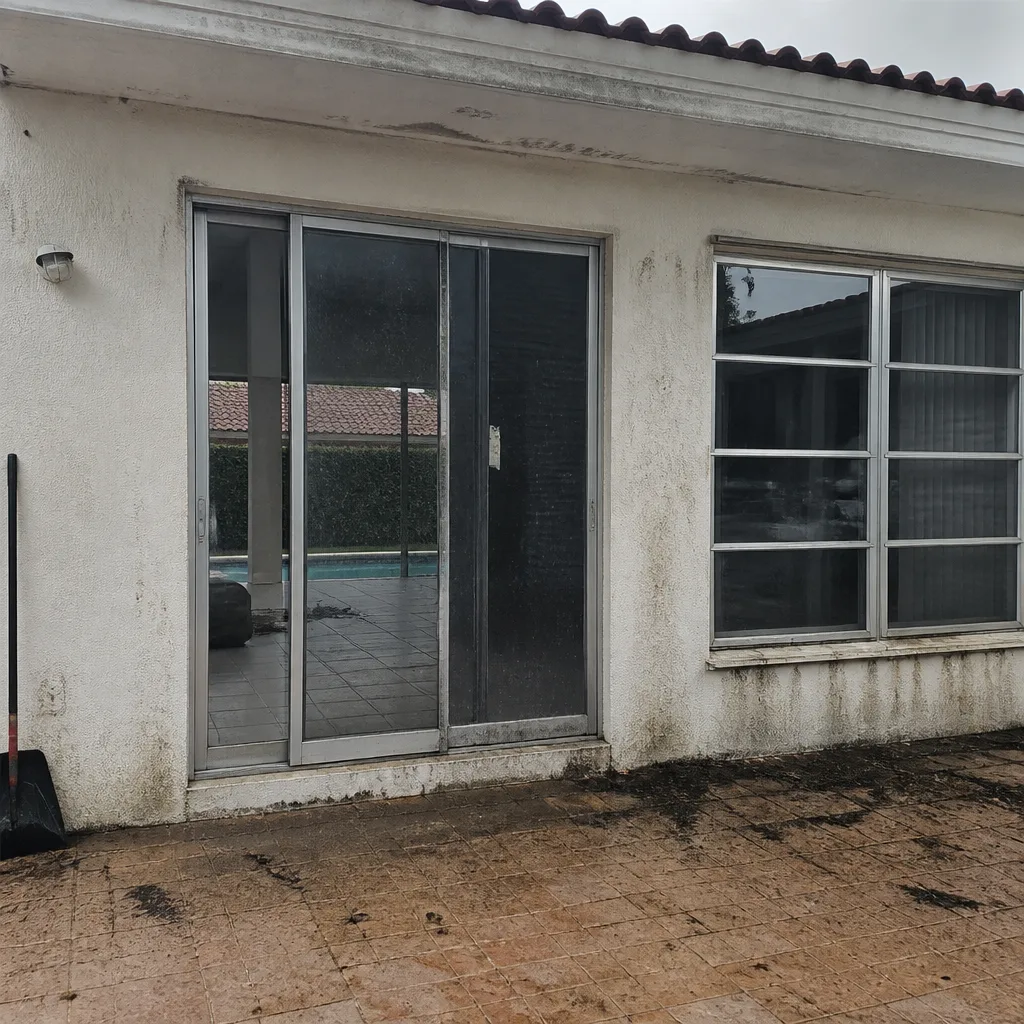 Before
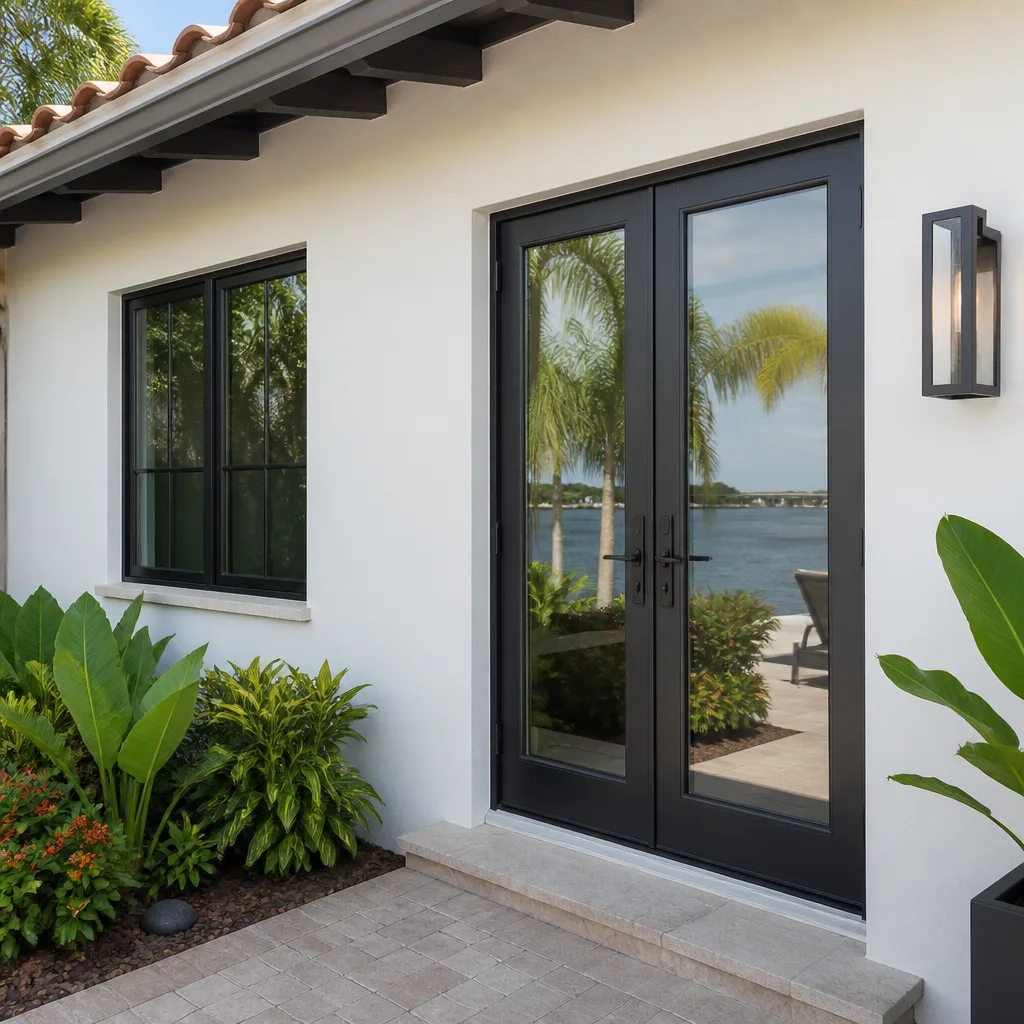 After
After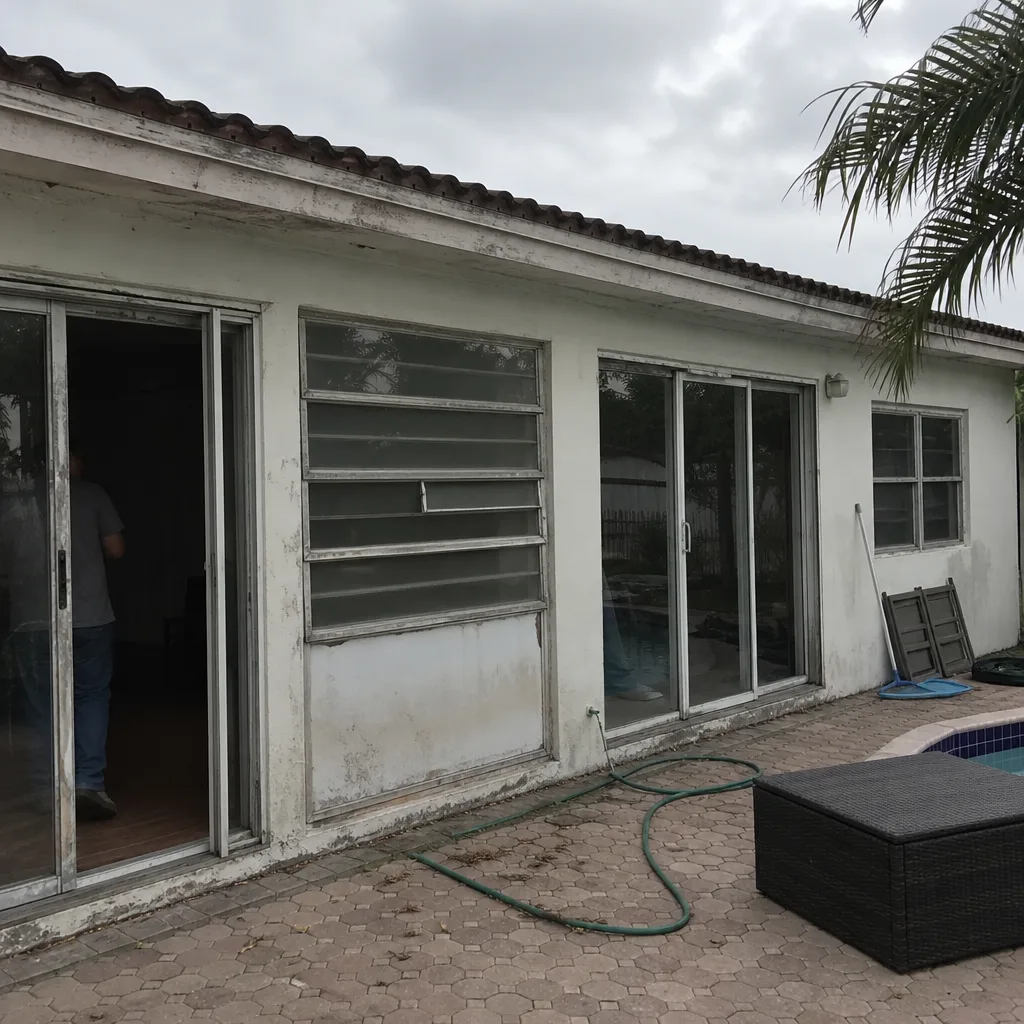 Before
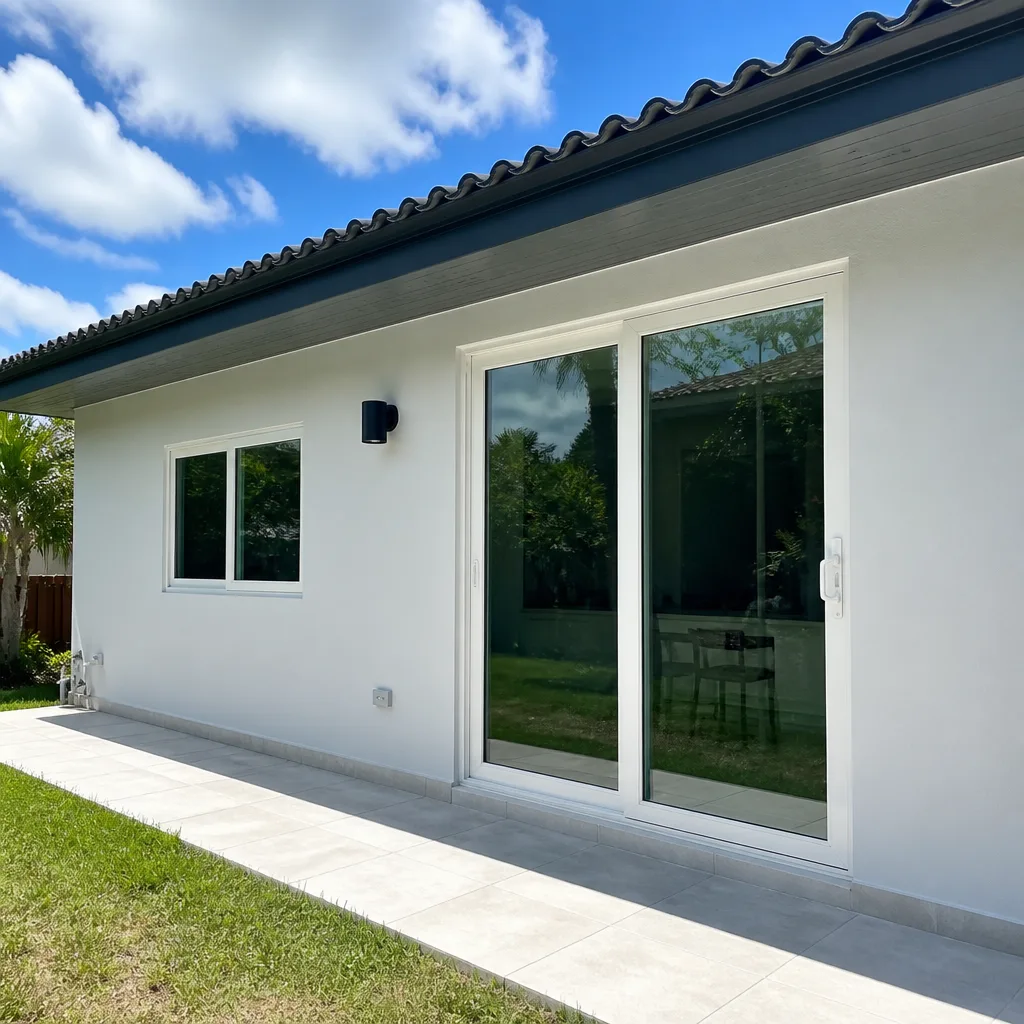 After
AfterCasement Windows in Miami, FL | Winslow Windows & Doors
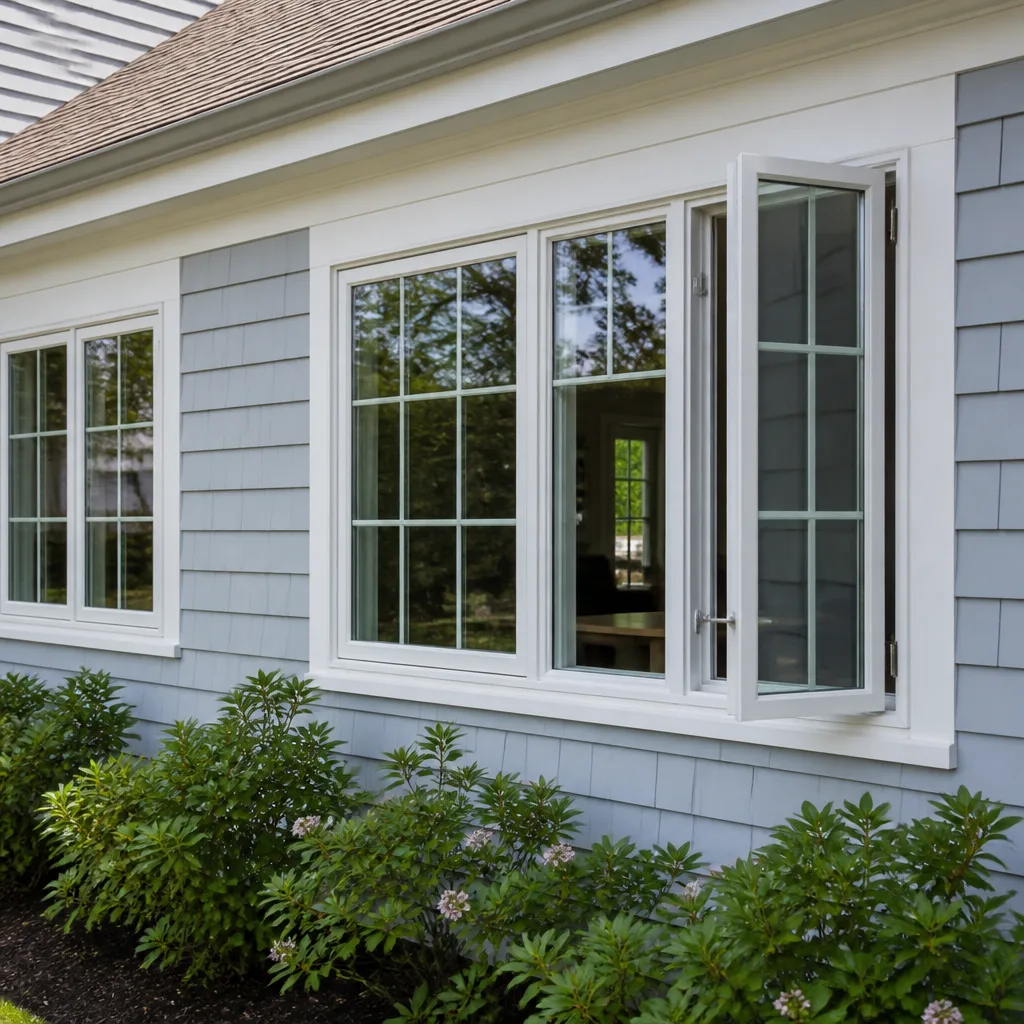
Casement windows are side-hinged, crank-operated impact units that seal tight against the frame and swing fully outward for maximum airflow. In Miami, where hurricane season runs from June through November, these windows are a practical upgrade for homeowners who want clean lines, full opening ventilation, and serious wind protection in one package. Winslow Windows & Doors installs impact-rated casements across PGT, CGI, CWS, ES Windows, ECO, and Mr-Glass lines for properties throughout Miami-Dade County, from Coconut Grove to Coral Gables to Palmetto Bay. We’re a Florida hurricane-impact window and door specialist, and we’ve built our Miami reputation on precise installation that preserves the engineering behind every unit. Call (844) 901-4551 to talk through your project.
Product Overview — Casement Windows
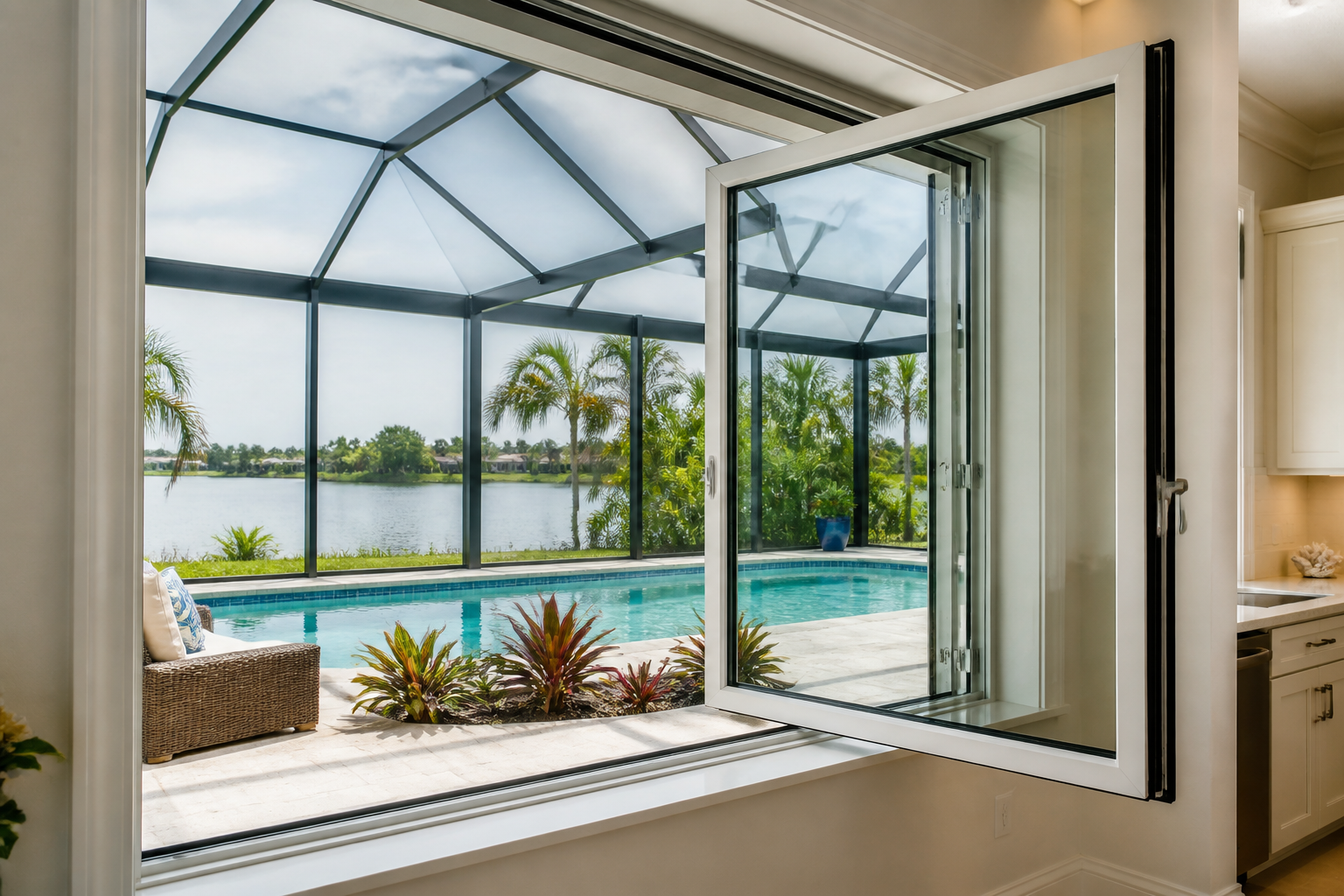
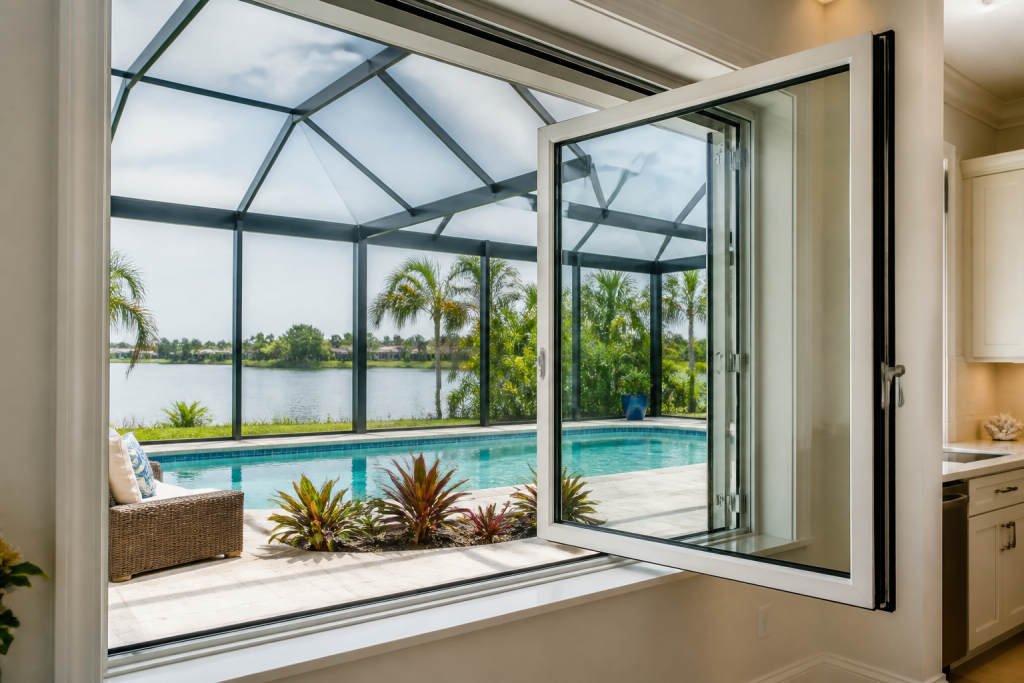
Casement windows operate differently from sliders or single-hungs. A crank mechanism pushes the sash outward on side hinges, and when closed, the sash presses into a full compression seal around all four edges. That seal is what makes this profile so well suited to hurricane-prone construction in Miami. Air infiltration drops sharply compared to windows that rely on overlapping sashes, and the closed casement holds its position under wind pressure instead of flexing away from the frame.
Architecturally, casements read clean and modern. You’ll see them on Mid-century ranch homes in Shenandoah, on new Mediterranean builds in Pinecrest, and on coastal condos in Brickell and Edgewater where unobstructed glass matters. The design offers a wide, clear opening with no center rail, which means when you crank the window open in January, you get cross-breeze without a vertical bar cutting your view across Biscayne Bay.
We offer these in aluminum and vinyl frame materials. Aluminum frames carry a slimmer sightline and hold up well against salt air and intense UV. Vinyl offers thermal performance and resistance to the humidity-driven expansion and contraction that Miami homes deal with year-round. Both frame options are paired with laminated impact glass and hardware engineered for high-velocity hurricane zones.
Technical Specifications
- Frame materials: Aluminum or vinyl, selected per opening size and wind-load requirement
- Glass options: Laminated impact glass with PVB interlayer, Low-E insulated glass, tinted glass, clear glass
- Finish options: White, almond, bronze, black, and tan across both frame materials
- Screen options: Fixed screen or retractable screen, configurable per window
- Operation: Side-hinged crank mechanism with full compression seal at closure
- Design pressure: Matched to your wind zone, up to +/-100. Never higher than your structure requires.
- Compliance: Miami-Dade NOA and Florida Product Approval numbers available per configuration; engineered to FBC HVHZ requirements
Hurricane & Compliance Performance
Laminated Impact Glass (PVB Interlayer)
Two panes of glass are bonded with a polyvinyl butyral interlayer. Under impact, the glass may crack but the interlayer holds the pane in the frame, preventing wind, rain, and debris from breaching the building envelope. This is the core of Miami-Dade impact protection.
Miami-Dade NOA / Florida Product Approval
Each casement configuration carries its own Miami-Dade Notice of Acceptance and Florida Product Approval numbers. These are issued per specific configuration, so we verify the exact submittal on your quote before any permit package goes to the building department.
FBC / HVHZ Compliance
Miami-Dade sits inside the Florida Building Code’s High-Velocity Hurricane Zone. Our casement lines are engineered to HVHZ structural requirements, which govern everything from frame anchoring to glazing retention to hardware load paths.
TAS 201 / TAS 202 / TAS 203 Testing Context
HVHZ-rated products are tested under a protocol family that includes TAS 201 for large-missile impact, TAS 202 for cyclic wind-pressure loading, and TAS 203 for forced-entry resistance. These tests replicate repeated hurricane-force gusts, not a single impact event.
Design Pressure Matched to Your Wind Zone
Every Miami property has a specific wind-zone designation that drives its structural requirements. We quote design pressures matched to that zone, up to +/-100, and never spec higher than the structure actually needs. Over-engineering costs you money without Added protection.
Low-E / Insulated Glass Options
For homeowners who want impact protection plus energy performance, Low-E coatings and insulated glass units are available. In Miami’s summer months, Low-E reflects a meaningful share of solar heat before it enters the room, which reduces load on your AC without changing the window’s impact rating.
Color & Glass Options
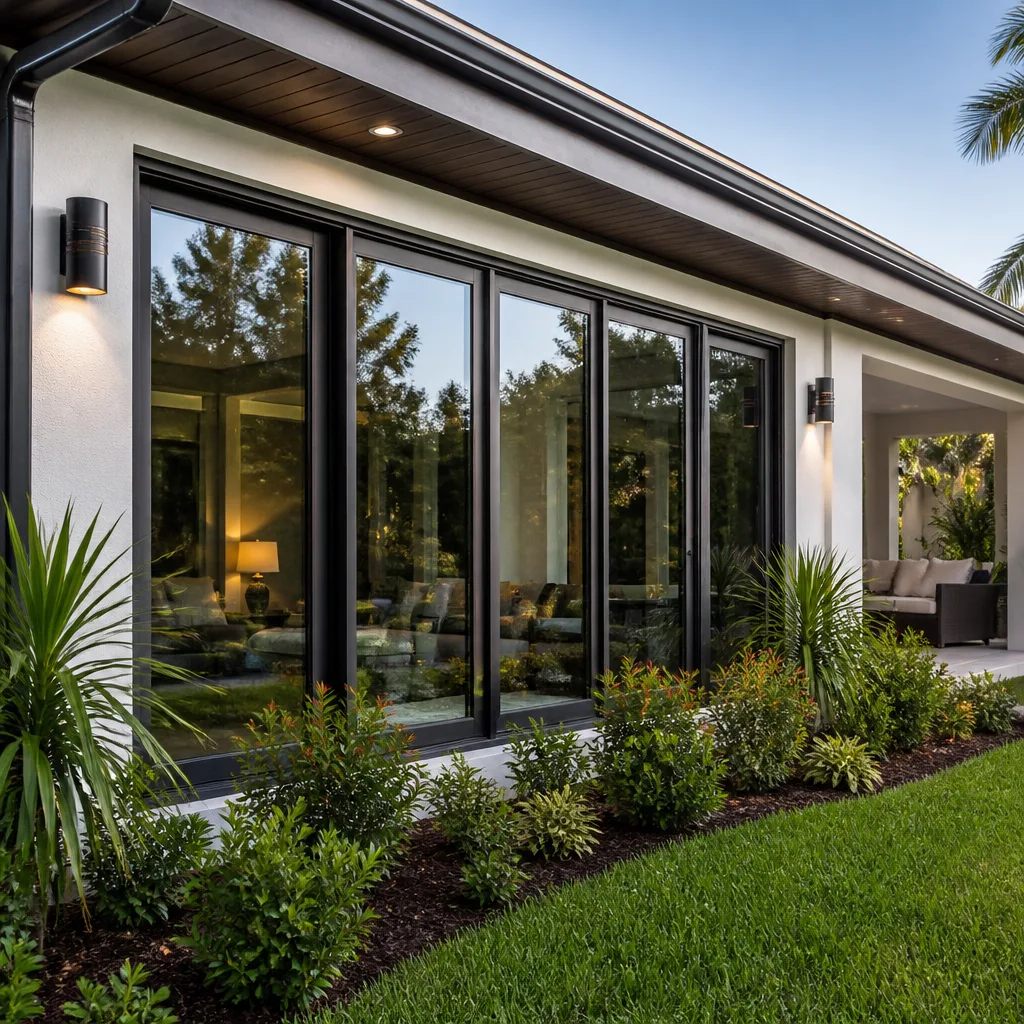
Miami architecture runs from white stucco Mediterranean villas in Coral Gables to charcoal and black modern builds in the Design District. Our five finish options, white, almond, bronze, black, and tan, cover that range without forcing you into a color that fights your exterior palette. Almond and tan suit the warm terracotta and cream tones common across Miami’s older neighborhoods. Black and bronze give newer contemporary homes a crisp contrast against light walls.
On the glass side, clear impact glass is the most common choice when you don’t need tint. Tinted glass cuts glare and solar heat on west-facing elevations, which matters on Miami afternoons when the sun sits low over the Everglades. Low-E insulated glass adds a second layer of thermal resistance while keeping the impact rating intact. Your choice depends on exposure, window orientation, and whether the room runs hot during summer.
Installation by Winslow Windows & Doors in Miami
Installation quality decides whether an impact-rated casement performs to its NOA listing. We follow a fixed process on every Miami job. First, a pre-install inspection of the rough opening and existing framing, looking for rot, termite damage, or water intrusion that would compromise the new unit. Then the window goes in level, plumb, and square, anchored to the structure per the manufacturer’s approved installation method for HVHZ conditions.
We seal the perimeter with AAMA 812 low-expansion foam and install per AAMA 2400/2410 installation practice. That foam choice matters in Miami’s humidity; it doesn’t pull away or bow the frame over time the way some expanding foams can. After the frame is set and sealed, we run a final water test on the installation and review the flashing details before we call the job done.
Permitting is part of the conversation in Miami-Dade. HVHZ jurisdictions require product approval documentation with the permit application, and we help you confirm the NOA and Florida Product Approval numbers for your specific configuration are in hand before submittal. Improper installation voids the point of buying a rated window at all, which is why we don’t hand these installs to general labor. Our crews do this work every week across Miami, Kendall, and the beaches.
Frequently Asked Questions — Casement Windows
Design pressure is matched to your specific Miami wind zone, up to +/-100, and never higher than what your structure requires. We determine that number from your address and building configuration, then quote the exact DP rating on your estimate. Call (844) 901-4551 and we’ll pull the wind zone for your property.
Lead times vary by manufacturer line and configuration. PGT and ES Windows generally run shortest for production units, while custom sizes or special finishes on CWS and CGI can extend the schedule. We confirm current lead times when you request a quote, and we won’t promise a date we can’t hold.
Yes, in Miami-Dade and most HVHZ jurisdictions, your permit package must include the product approval documentation for the exact window configuration being installed. We provide the NOA and Florida Product Approval numbers for your specific casement configuration as part of our quote process so your permit application moves without delay.
Casements are built to your rough opening dimensions within each manufacturer’s engineering limits. That includes custom widths and heights, as well as configurations like twin casements or casement-and-picture combinations. We’ll spec the opening during the free measurement and confirm what’s buildable before you commit.
Wipe the track and hardware with a mild soap solution a few times a year, and keep the bottom track clear of sand and salt buildup if you’re near the water. The crank mechanism needs occasional lubrication per the manufacturer’s recommendation. Salt air in coastal Miami neighborhoods accelerates corrosion on untreated hardware, so we can point you to the right maintenance routine for your specific line.
Get a Quote — Casement Windows in Miami
Ready to price casement windows for your Miami home? Call (844) 901-4551 and we’ll schedule a free on-site measurement, verify your wind zone and design pressure requirements, and walk you through finish, glass, and screen options with exact line-item pricing. Written quotes, no pressure.
Written by the team at Winslow Windows & Doors, serving Miami, FL.
Detailed Images