Free in-home measure and quote — PGT, CGI and CWS impact lines compared on your actual openings, style by style
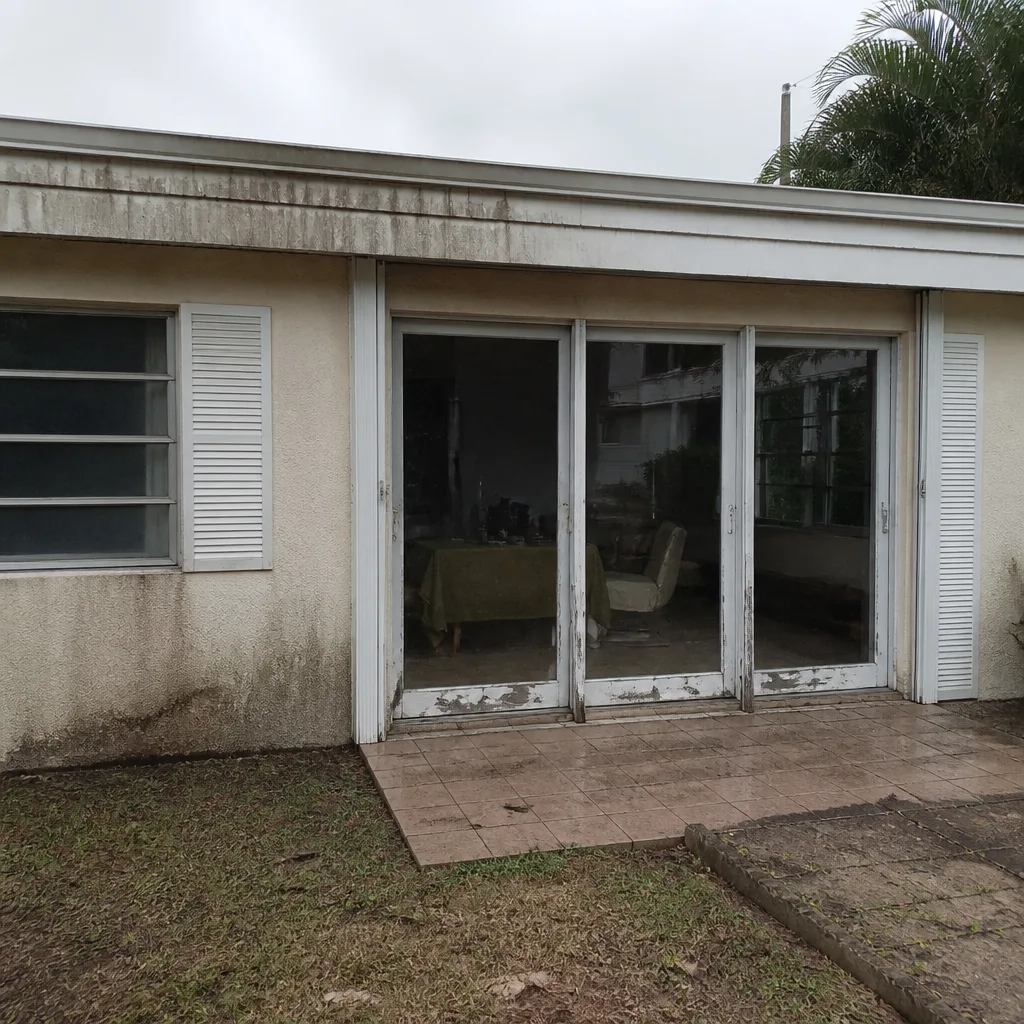 Before
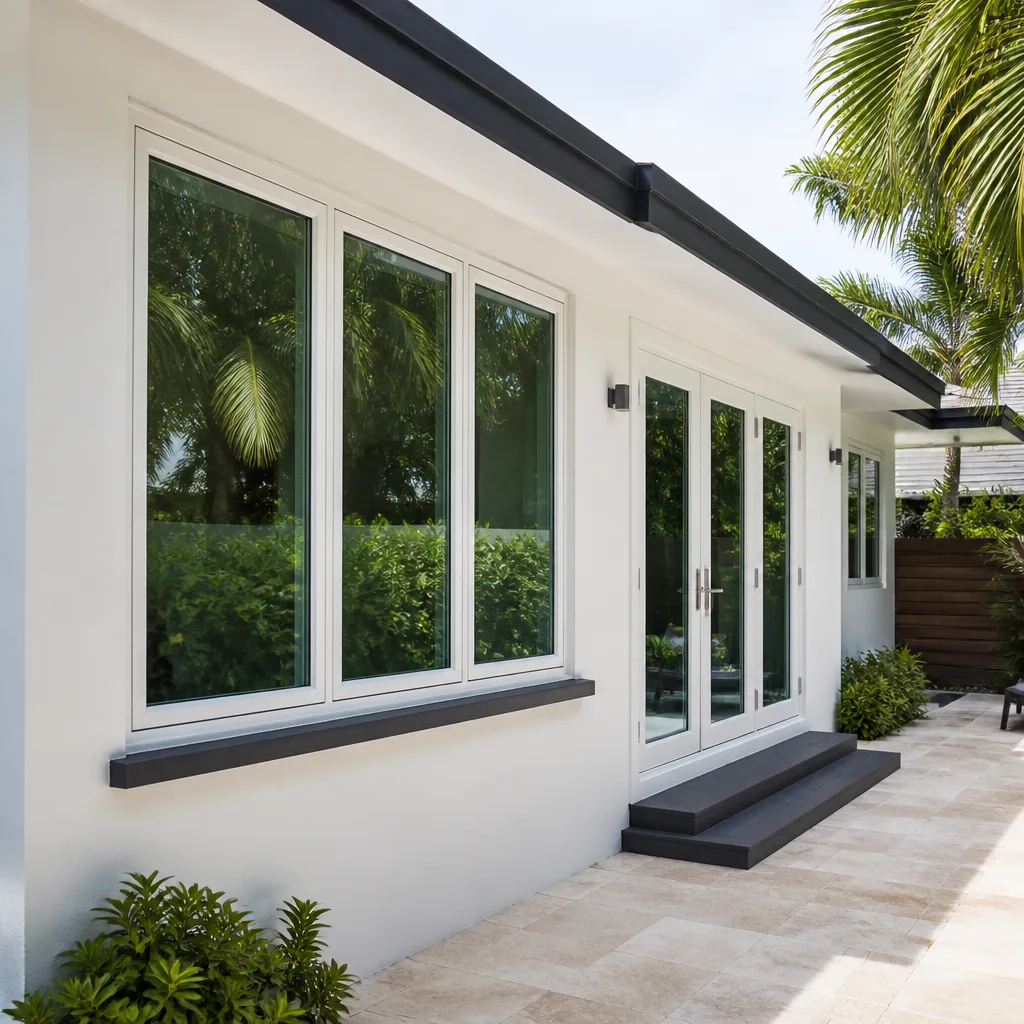 After
After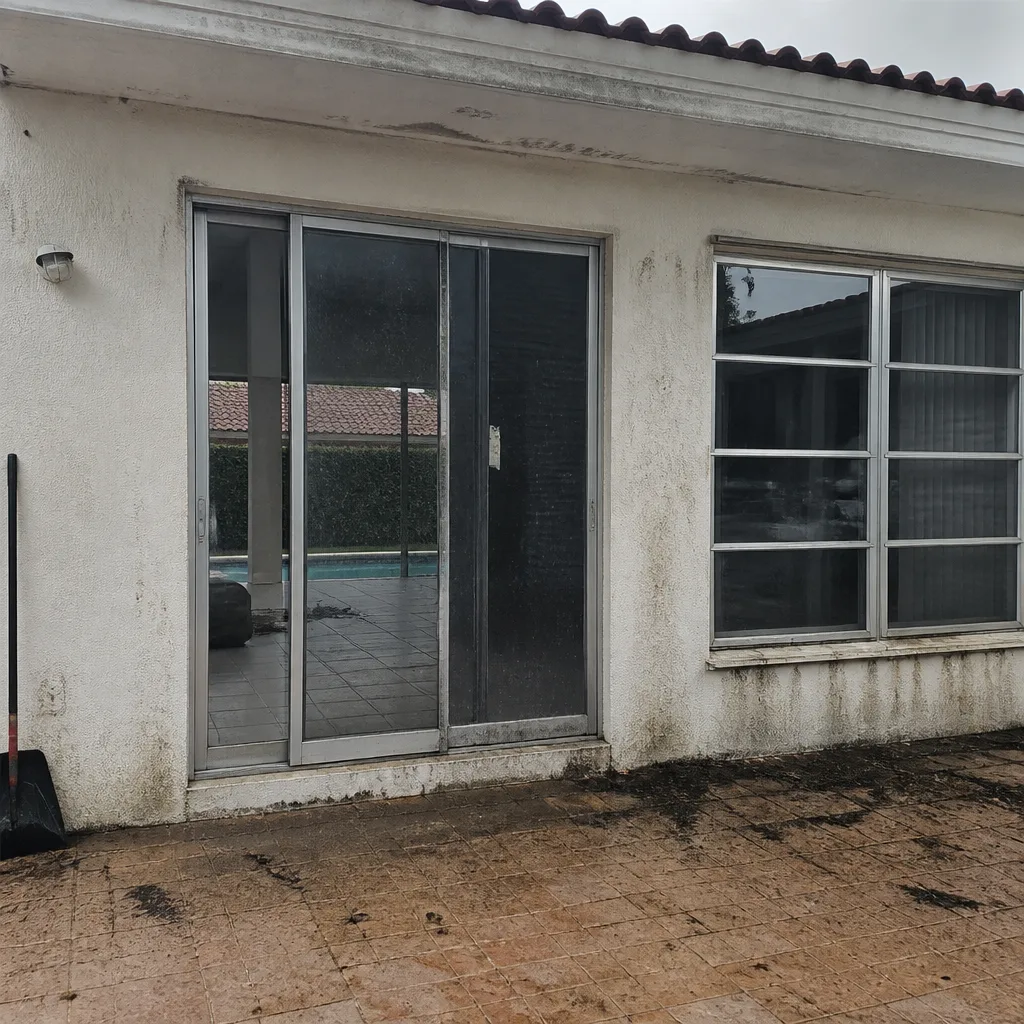 Before
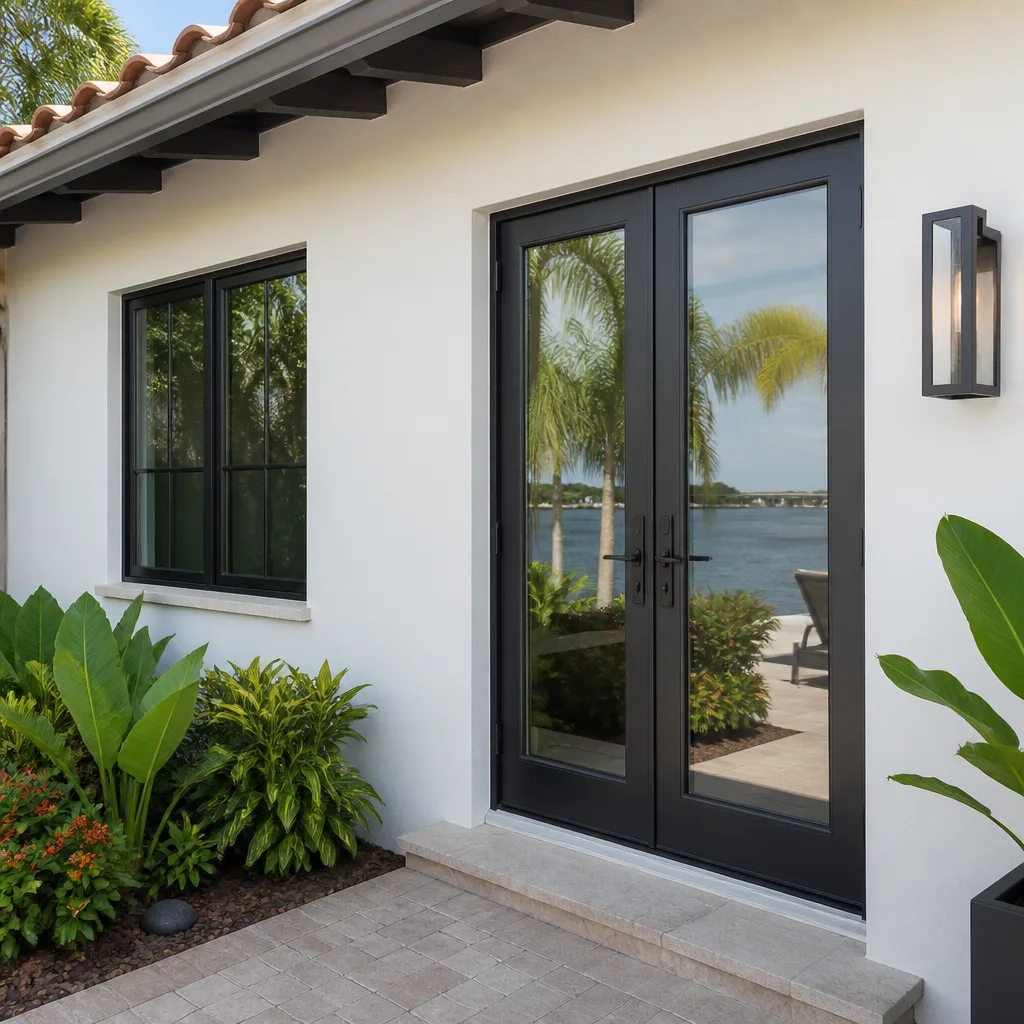 After
After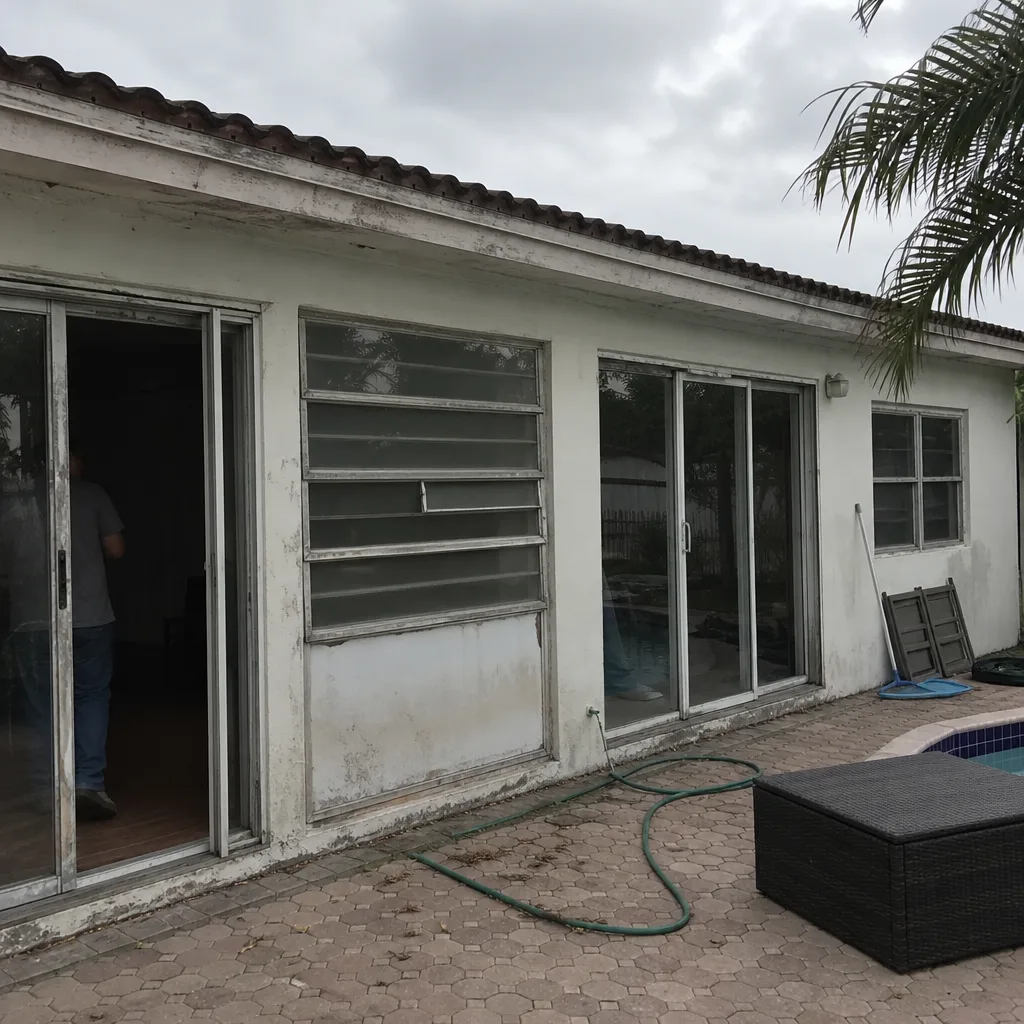 Before
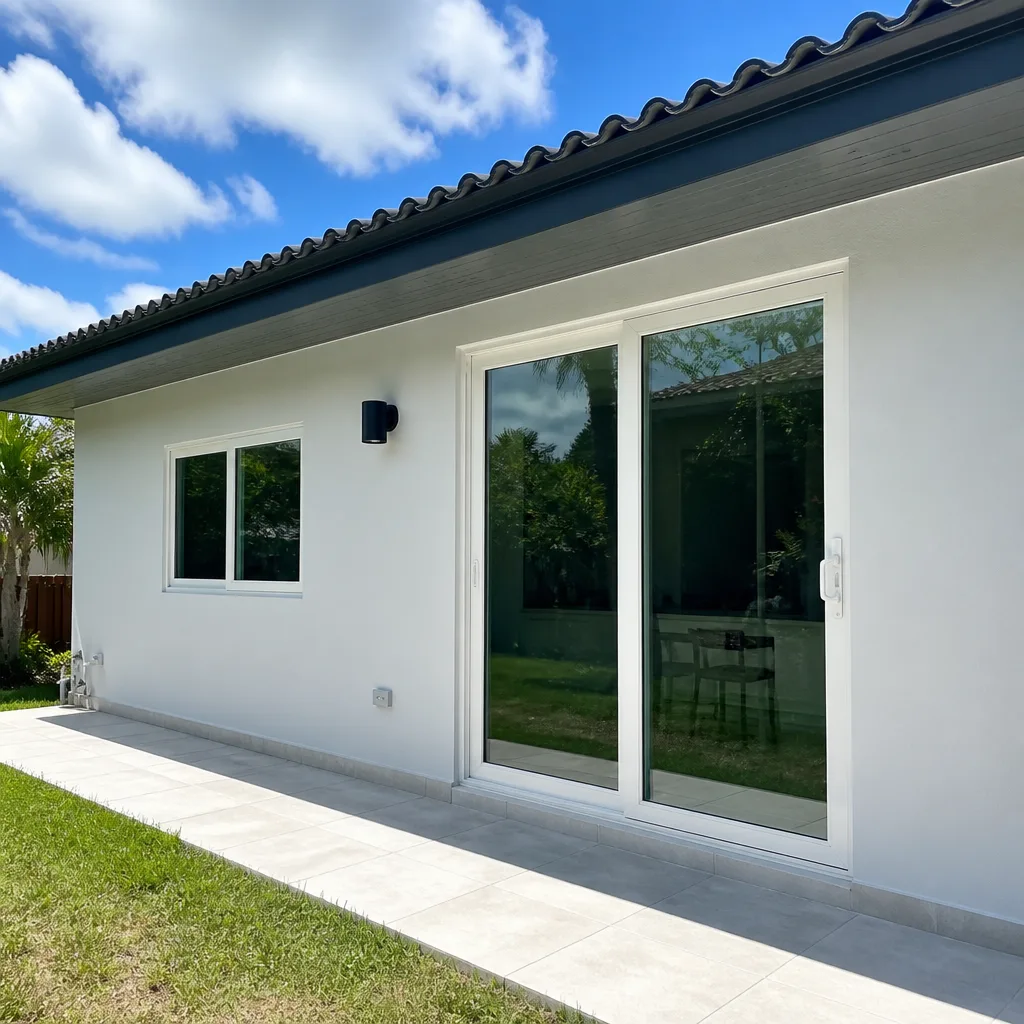 After
AfterHorizontal Roller & Sliding Windows in Miami, FL | Winslow Windows & Doors
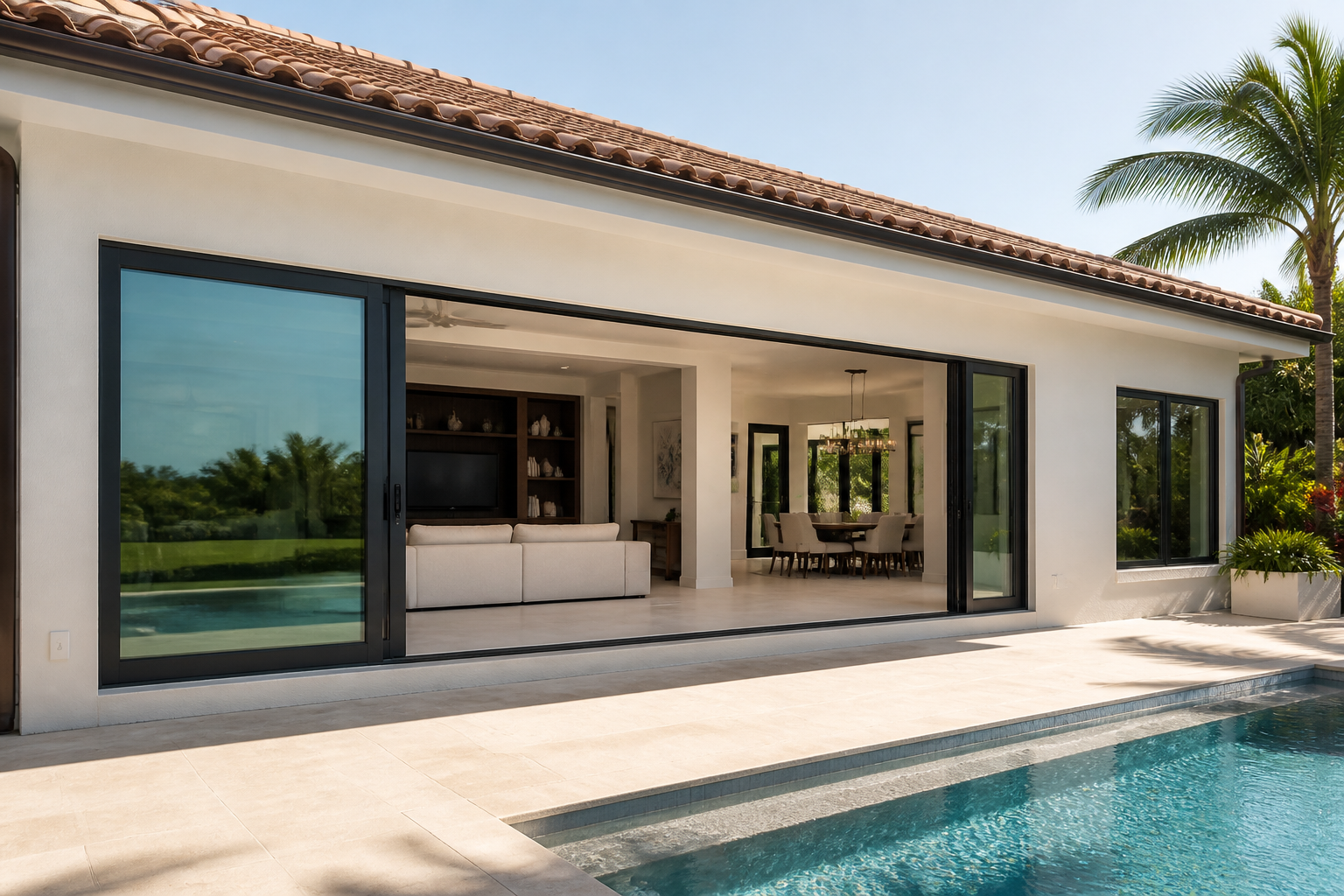
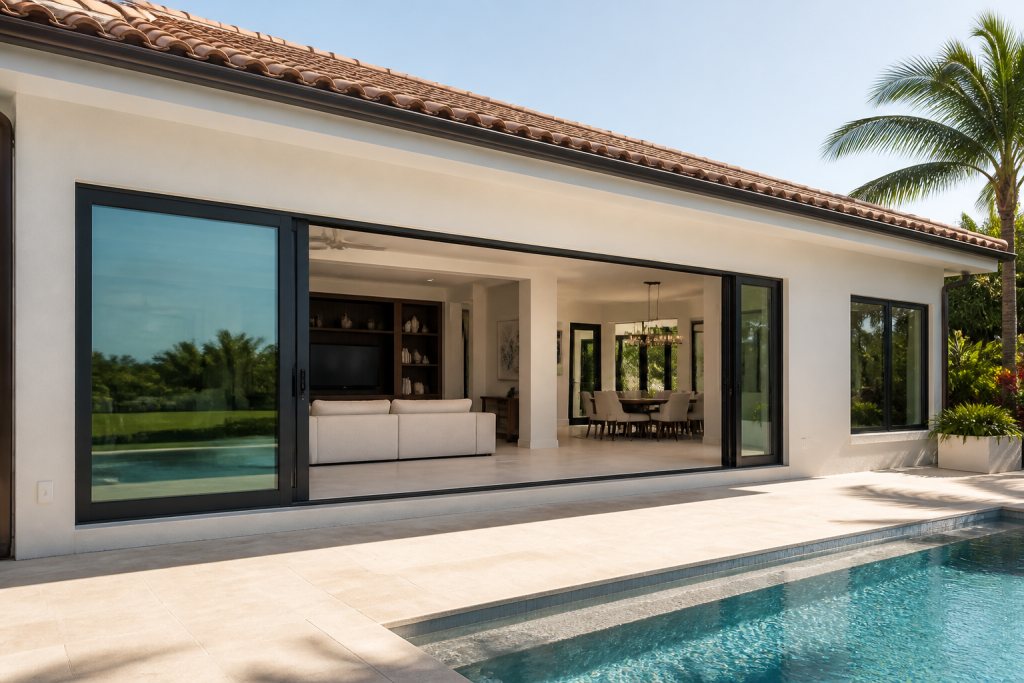
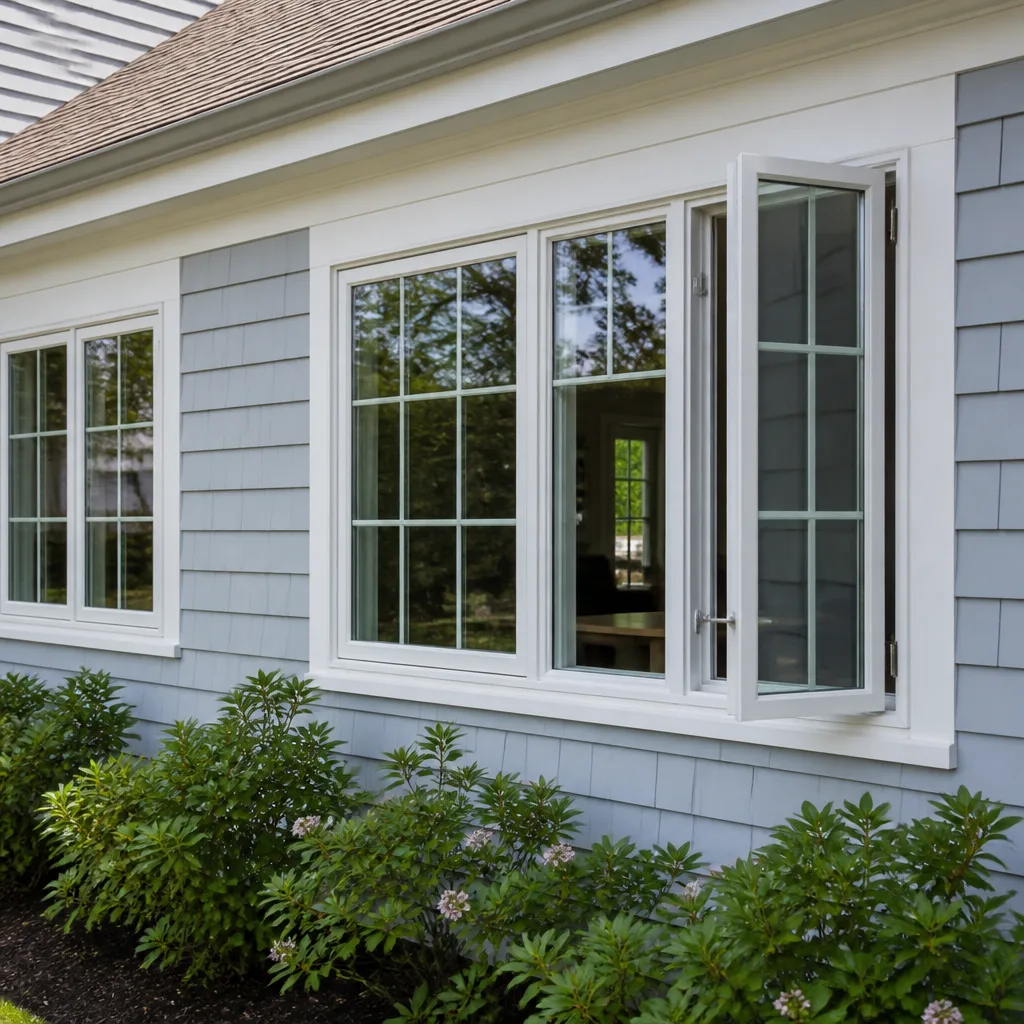
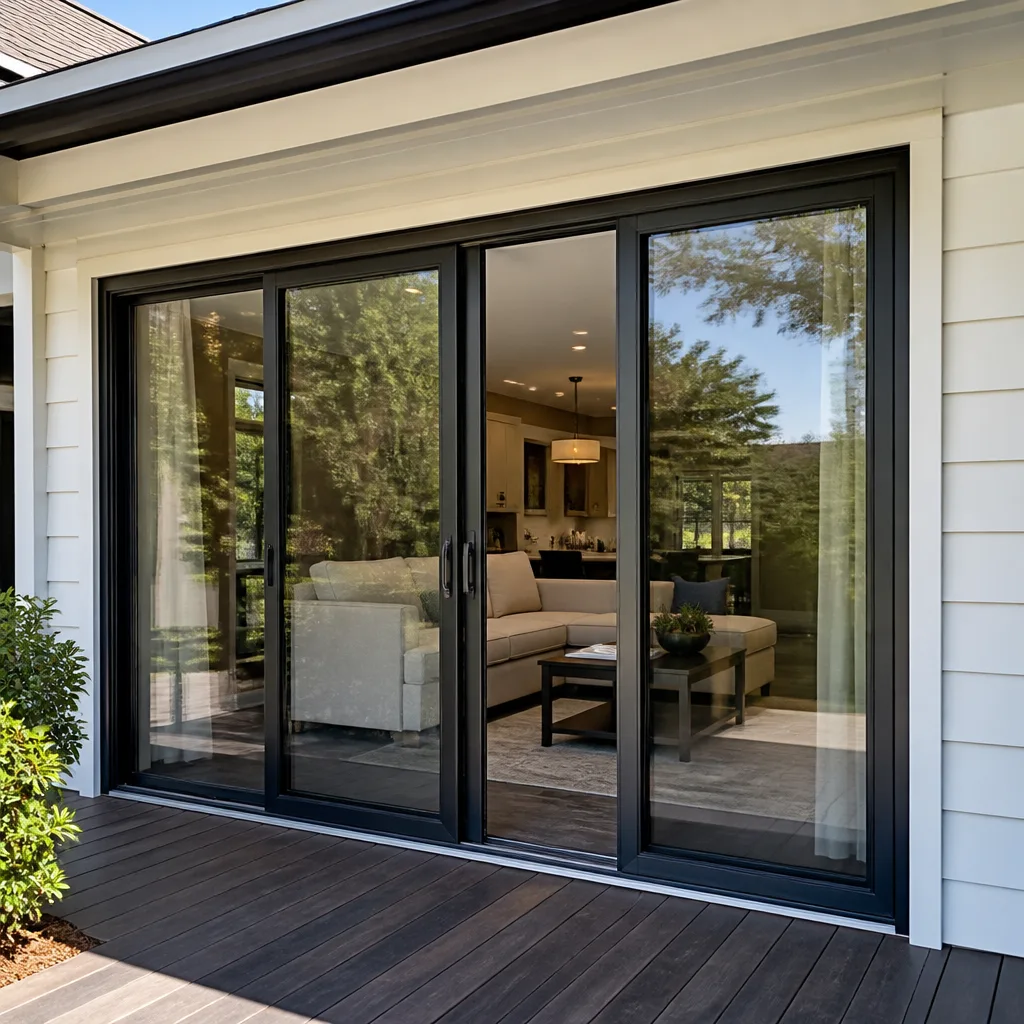
Horizontal Roller & Sliding Windows are the workhorse of Florida impact glazing. A wide glass panel glides side to side on a reinforced track, and the laminated impact glass is built to take a direct hit from wind-borne debris without shattering out of the frame. We install these across Miami, from Coral Gables ranch homes to Brickell high-rise condos being brought up to current code. Winslow Windows & Doors has supplied and installed this profile for years, and we know exactly how it behaves in coastal wind zones. If you’re pricing a replacement or a new build, call (844) 901-4551 and we’ll walk you through the options that fit your openings.
Product Overview — Horizontal Roller & Sliding Windows
This is our workhorse impact profile: laminated impact glass tested to withstand 140-mph winds and 9,500 lbs of wind-borne debris impact, gliding horizontally on a reinforced track. In Miami, where every window opening is a potential breach point during a storm, this window earns its keep. It’s the profile you’ll see on older Florida ranch homes getting their second or third window retrofit, on mid-century buildings along Biscayne Boulevard, and on many new builds where a wide horizontal opening makes sense for airflow and light.
The frame is extruded aluminum or heavy-gauge vinyl, both with internal reinforcement in the track area. That reinforcement matters. A horizontal roller window carries a lot of glass on moving sashes, and when wind pressure loads hit a wide panel, the track takes the brunt of it. We spec frames that stay square under load, so the sash doesn’t bind or jump the track during a storm. Glass is laminated impact with a PVB interlayer, which means if something hits it at speed, the glass cracks but the interlayer holds the pieces in place. The window stays in the opening, your interior stays dry, and the pressure envelope of the house holds.
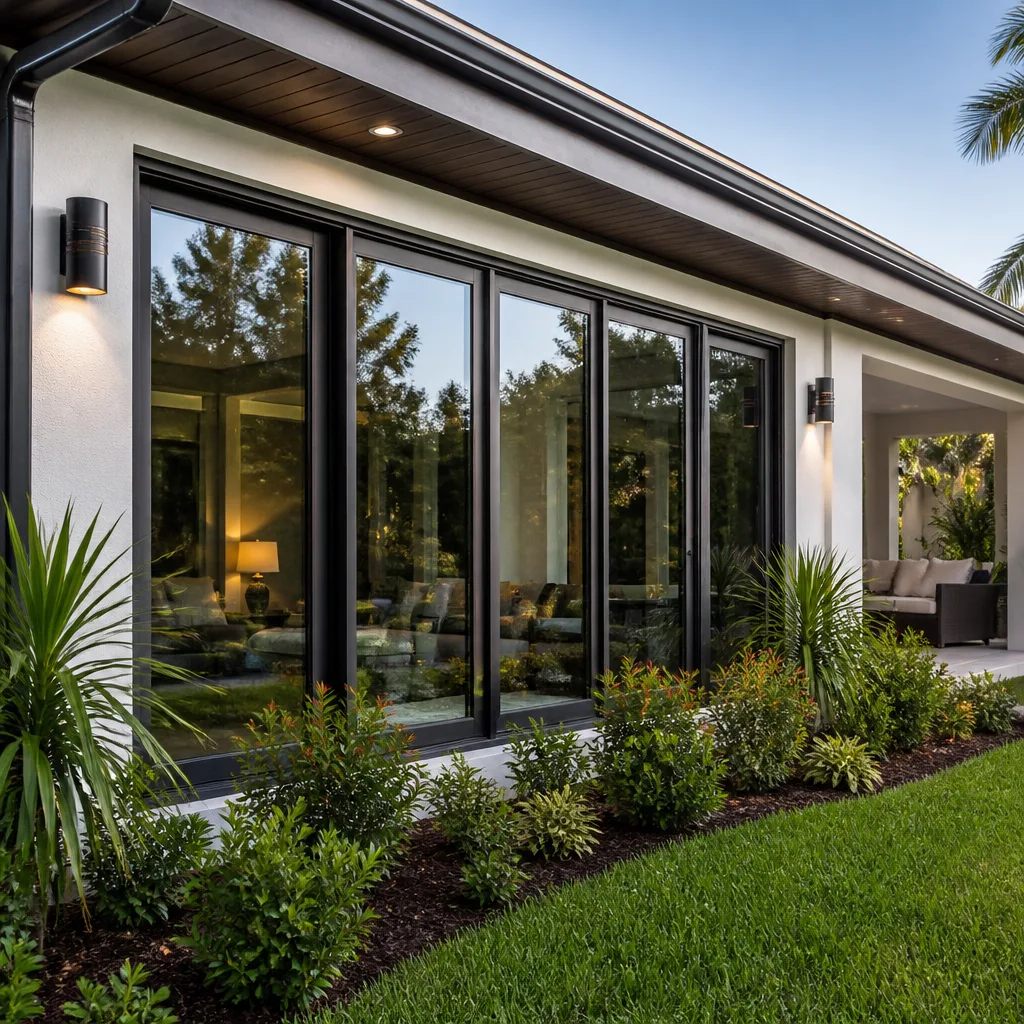
Architecturally, horizontal sliders suit low, wide openings. They’re common on bedrooms, kitchens, and any room where you want a window open most of the year but need it to lock down tight in June through November. We install them in Miami-Dade’s older neighborhoods where the original jalousie or single-pane sliders are being torn out, and in newer construction where designers want clean sightlines without a center mullion.
Technical Specifications
- Frame materials: Extruded aluminum or heavy-gauge vinyl, both available with internal track reinforcement for wide spans.
- Track configurations: 2-track for two panels where one glides and one can be fixed, or 3-track for three-panel openings with up to two moving sashes. We’ll spec the track count based on the opening width and how much net open area you want.
- Glass options: Laminated impact glass with PVB interlayer (the core option for HVHZ compliance), Low-E insulated glass for thermal performance, tinted glass for afternoon sun gain, or clear glass for maximum light.
- Finish options: White, almond, bronze, black, or tan. Both frame materials take these finishes well, and we match them to existing window frames or design trim on your elevation.
- Screen options: Retractable screens that roll up into a housing when not in use, or standard sliding screens on a separate track.
- Design pressure: Matched to your wind zone, up to +/-100. We don’t sell a higher DP than the opening requires, because that’s wasted cost. Your quote will state the exact DP per opening.
Hurricane & Compliance Performance
Laminated Impact Glass — The glass in this window is a sandwich: two panes of glass with a polyvinyl butyral (PVB) interlayer bonded between them. When debris hits at speed, the outer pane cracks but the interlayer keeps the entire assembly intact and in the frame. No opening, no pressure blowout, no water intrusion from a broken pane. This is the same core technology used in automotive windshields, engineered for building-scale glass lites across Miami’s wind zones.
Miami-Dade NOA / Florida Product Approval — Every configuration we sell carries the required Miami-Dade NOA (Notice of Acceptance) and Florida Product Approval numbers. These are issued per configuration, meaning the exact frame material, glass, track count, and size range you select has its own approval documentation. We provide the numbers on your specific quote so your permit application moves without a stumble.
FBC / HVHZ Compliance — The product is engineered to Florida Building Code (FBC) High-Velocity Hurricane Zone (HVHZ) requirements. HVHZ is the strictest wind load standard in the state, and it applies to all of Miami-Dade and Broward counties. If you live in Miami, these are the rules your windows have to meet.
TAS 201 / 202 / 203 Testing Context — These are the test protocols behind HVHZ product approvals. TAS 201 covers large-missile impact: a 9-pound 2×4 shot at the glass at speed. TAS 202 covers cyclic wind-pressure loading: the window gets hit with repeating positive and negative pressure cycles to simulate a storm passing. TAS 203 covers forced-entry resistance. A window that passes all three has earned its approval number.
Design Pressure for Your Wind Zone — Design pressures are matched to your specific wind zone, up to +/-100, and never higher. Miami’s wind zones vary by distance to coast, building height, and exposure. We pull the right DP for each opening from the NOA, and you see that number on your line-item quote.
Energy Performance — Low-E and insulated glass options are available on this profile. If the window faces west or south in Miami, Low-E cuts the heat load dramatically while keeping the impact rating. Insulated laminated units add a thermal break without losing the HVHZ rating. We’ll recommend the right glass stack based on orientation and shade.
Color & Glass Options
The five finish colors we offer, white, almond, bronze, black, and tan, cover the range we see across Miami’s housing stock. White and almond dominate the older concrete-block homes built from the 1950s through the 1980s. Bronze and black read well on modern and contemporary elevations, including many of the new builds we see in Coral Gables, Coconut Grove, and along the bay. Tan blends with the Mediterranean revival and Spanish-style homes that define neighborhoods like Shenandoah and Silver Bluff. Both aluminum and vinyl frames carry these finishes without fading in South Florida sun.
On glass, clear laminated impact is the baseline: maximum light, full impact rating, no color shift. Tinted glass knocks down glare and heat gain on east-facing and west-facing rooms, and it’s a popular choice for second-story sunrooms. Low-E insulated units are the pick for bedrooms and living rooms where AC load matters year-round. We’ll pull samples and show you what each reads like in the actual room before you commit.
Installation by Winslow Windows & Doors in Miami
An NOA-rated window is only as good as the installation around it. We see it constantly in Miami: proper product, sloppy perimeter work, and the assembly leaks or the frame racks within two seasons. That’s why we handle every installation ourselves, in-house, with our own crews. No subcontracting window installs.
We start with a pre-install inspection of every opening. We check the rough opening dimensions, the substrate condition, any existing water damage in the perimeter, and the fastener pull-out capacity. On older Miami homes, the concrete around window bucks can be spalled or cracked; we address that before the new window goes in. Then we set the frame level, plumb, and square in the opening. On horizontal sliders, the sill has to be dead level; a racked frame binds the rollers and shortens the track life.
Perimeter sealing follows AAMA 2400/2410 practice, with AAMA 812 low-expansion foam around the full perimeter and a proper backer rod and sealant bead on the exterior. We run a final water test on every opening after installation. We know the permitting process in Miami-Dade’s HVHZ jurisdictions, including the NOA submittal paper trail, and we coordinate with the product approval documentation on your quote. Coastal exposure, wind zone, and the specific product approval number all come together on the permit package. We handle that so you don’t have to.
Frequently Asked Questions — Horizontal Roller & Sliding Windows
Design pressure is matched to your specific wind zone, up to +/-100, and never higher. Miami-Dade has varying wind zones based on distance from the coast, building height, and exposure category, so the right DP for a house in Richmond Heights will differ from a condo floor in Edgewater. Your quote will state the exact design pressure per opening, pulled from the applicable Miami-Dade NOA. Call (844) 901-4551 and we’ll calculate it for your address.
Lead time depends on the configuration, glass, finish, and whether the specific size is a stock or custom dimension. Standard configurations in white or almond usually run faster than custom sizes in bronze or black with Low-E insulated glass. We’ll give you a real date on your quote, not an estimate. Call (844) 901-4551 to start a project and get an accurate timeline.
Yes. Every configuration carries a Miami-Dade NOA and Florida Product Approval number, and the applicable numbers are included on your quote documentation. Your municipality wants to see the approval covering the exact frame, glass, track count, and size range you’re installing. We handle the submittal documentation as part of the installation package. Call (844) 901-4551 and we’ll walk you through what your permit requires.
Yes. You can choose 2-track or 3-track, aluminum or vinyl, any of the five finishes, any of the four glass options, and either retractable or standard sliding screens. Size is limited by the approved ranges in the NOA for each configuration, and we’ll spec the widest panel the approval allows for your design pressure. Call (844) 901-4551 for a free consultation on your exact openings.
Rinse the track with fresh water every few months, especially if the window is near salt air. Miami’s coastal environment deposits salt and sand on the track, and that grit wears rollers over time. Use a soft brush on the track, wipe down the frame with mild soap and water, and avoid abrasive cleaners on the finish. If the rollers ever feel rough or the sash drags, call (844) 901-4551 and we’ll send someone to inspect it.
Get a Quote — Horizontal Roller & Sliding Windows in Miami
If you’re replacing windows on a Miami home or specifying for new construction, start with a free on-site measurement. We’ll measure every opening, match the right configuration and design pressure to your wind zone, and give you a written line-item quote with the NOA numbers. Call (844) 901-4551 today to schedule your free estimate.
Written by the team at Winslow Windows & Doors, serving Miami, FL with hurricane-impact window and door installation.
Detailed Images