
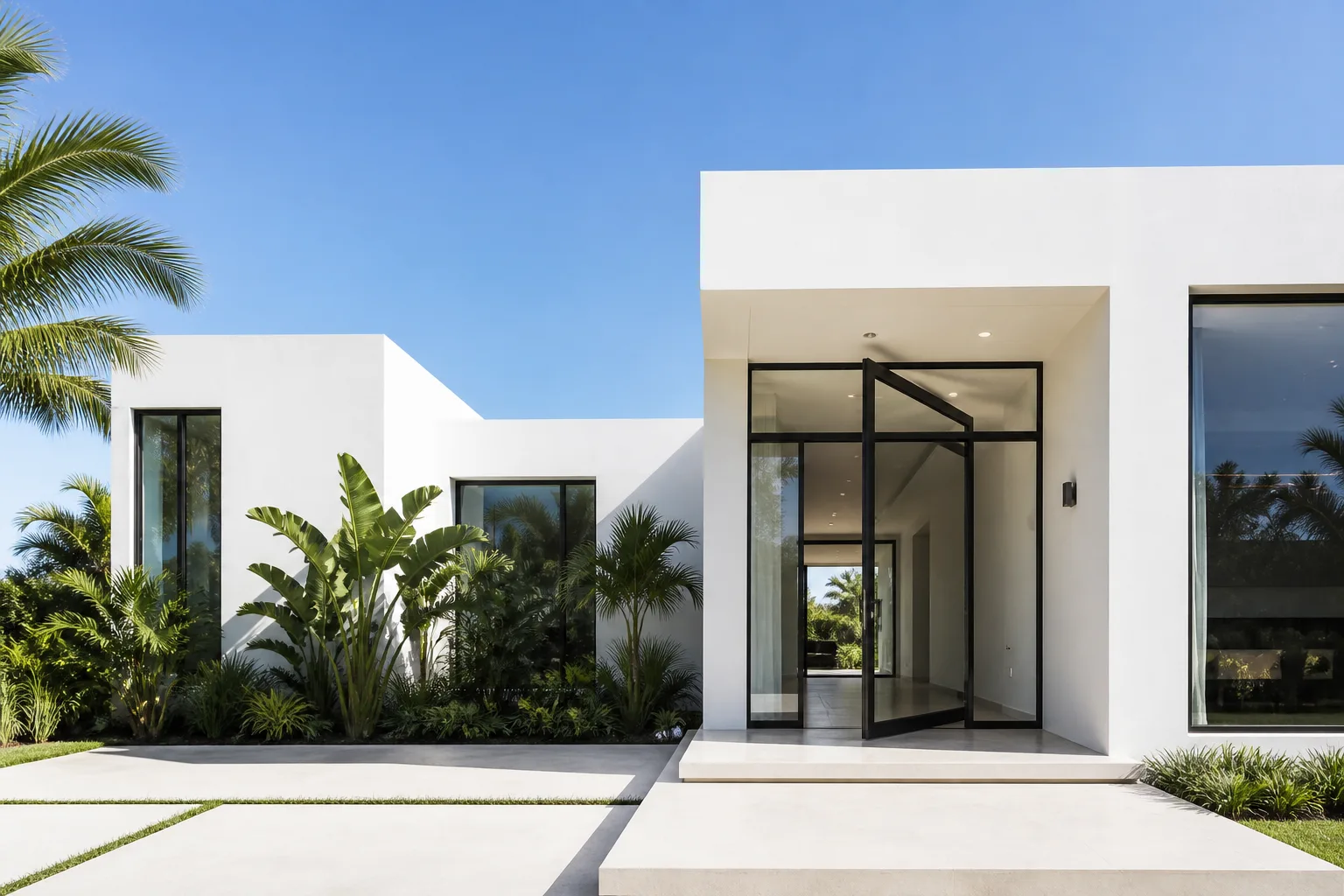
Free in-home measure and quote — PGT, CGI and CWS impact lines compared on your actual openings, style by style
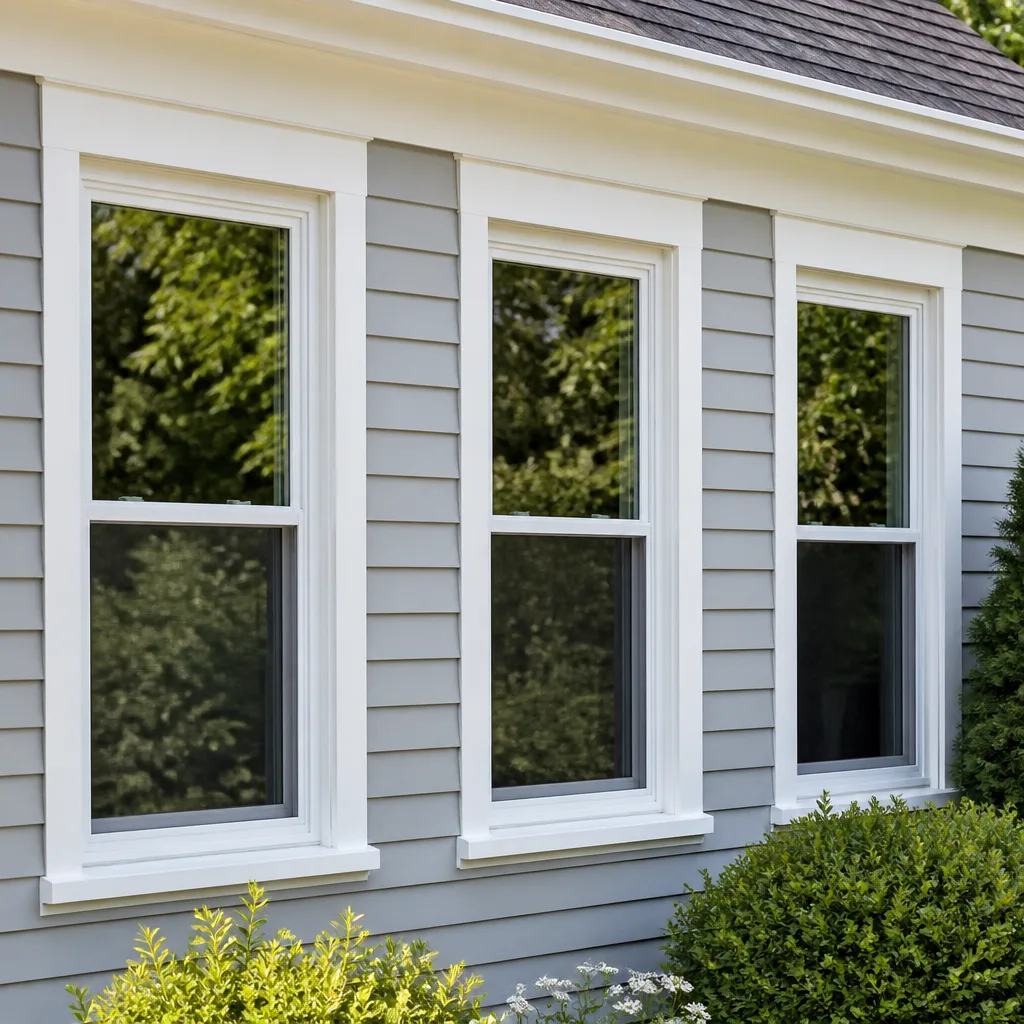
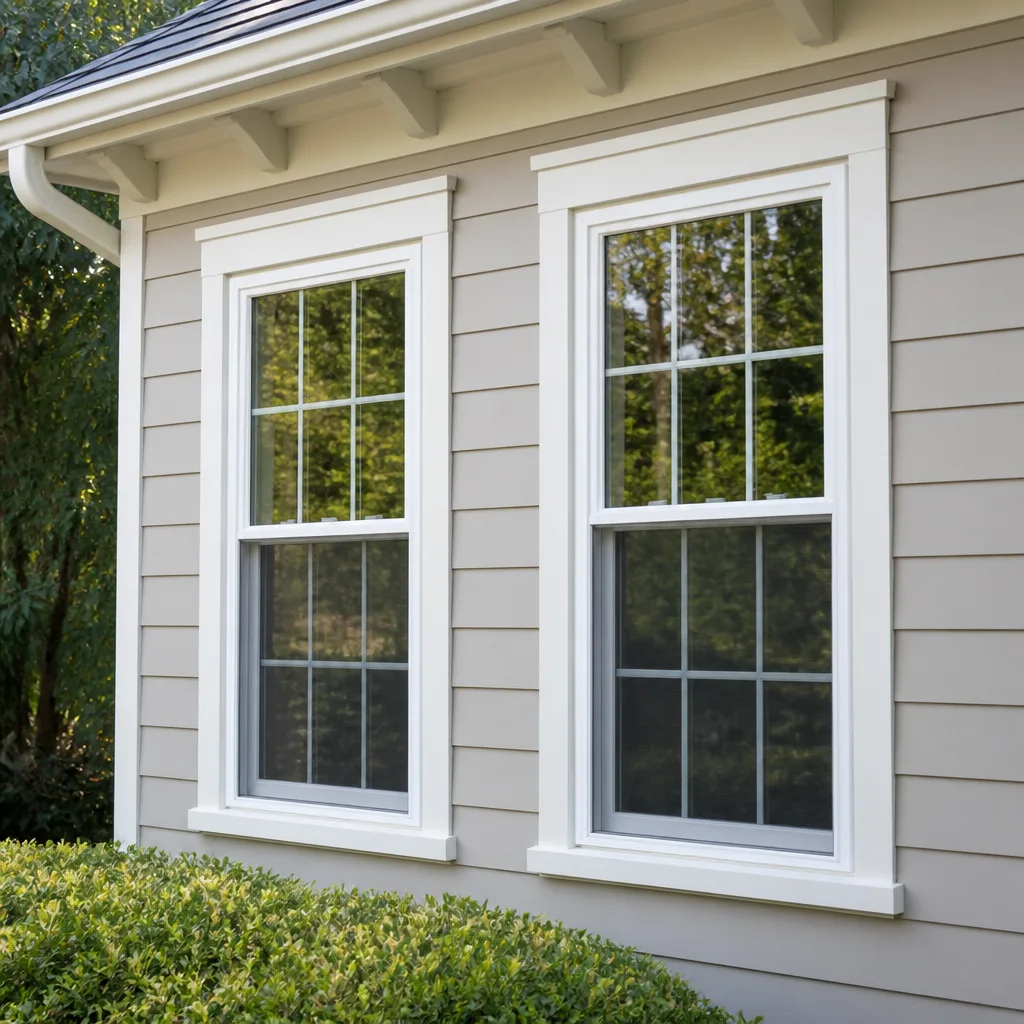
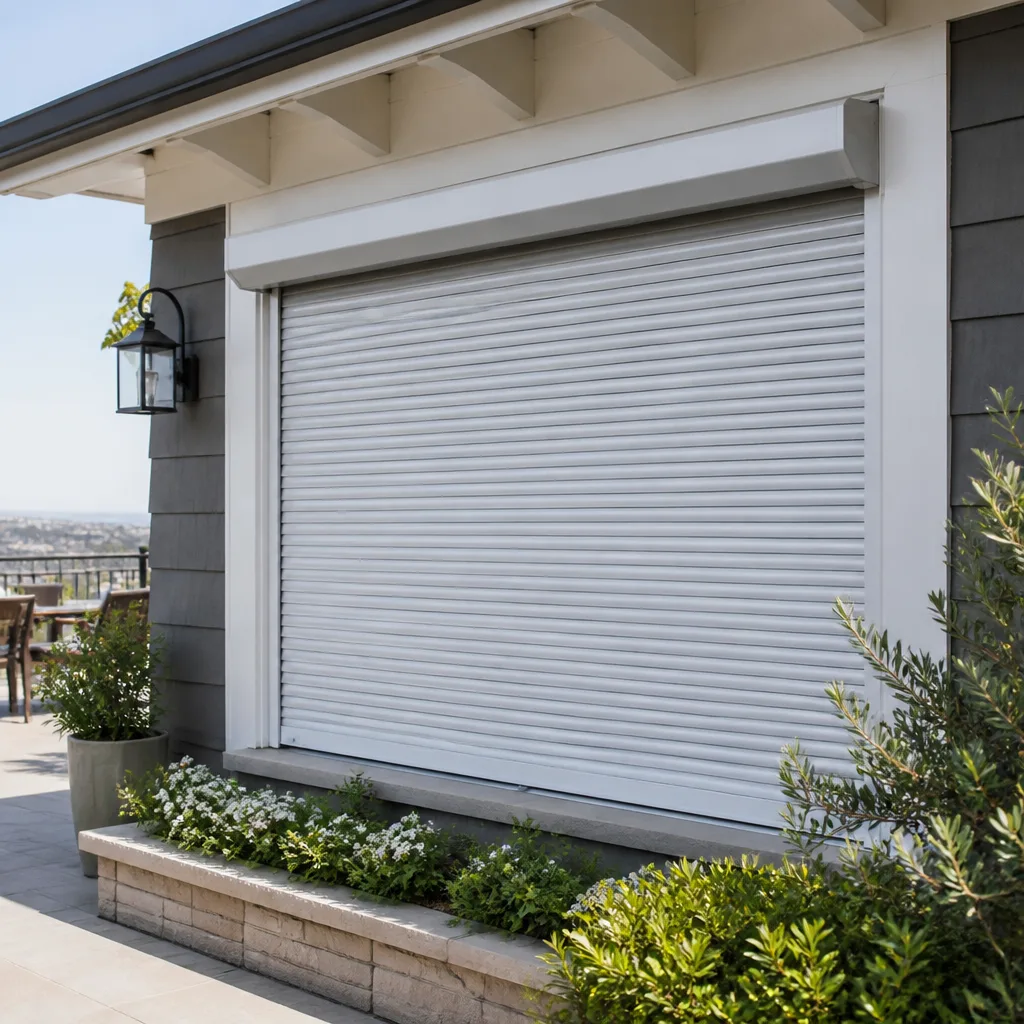
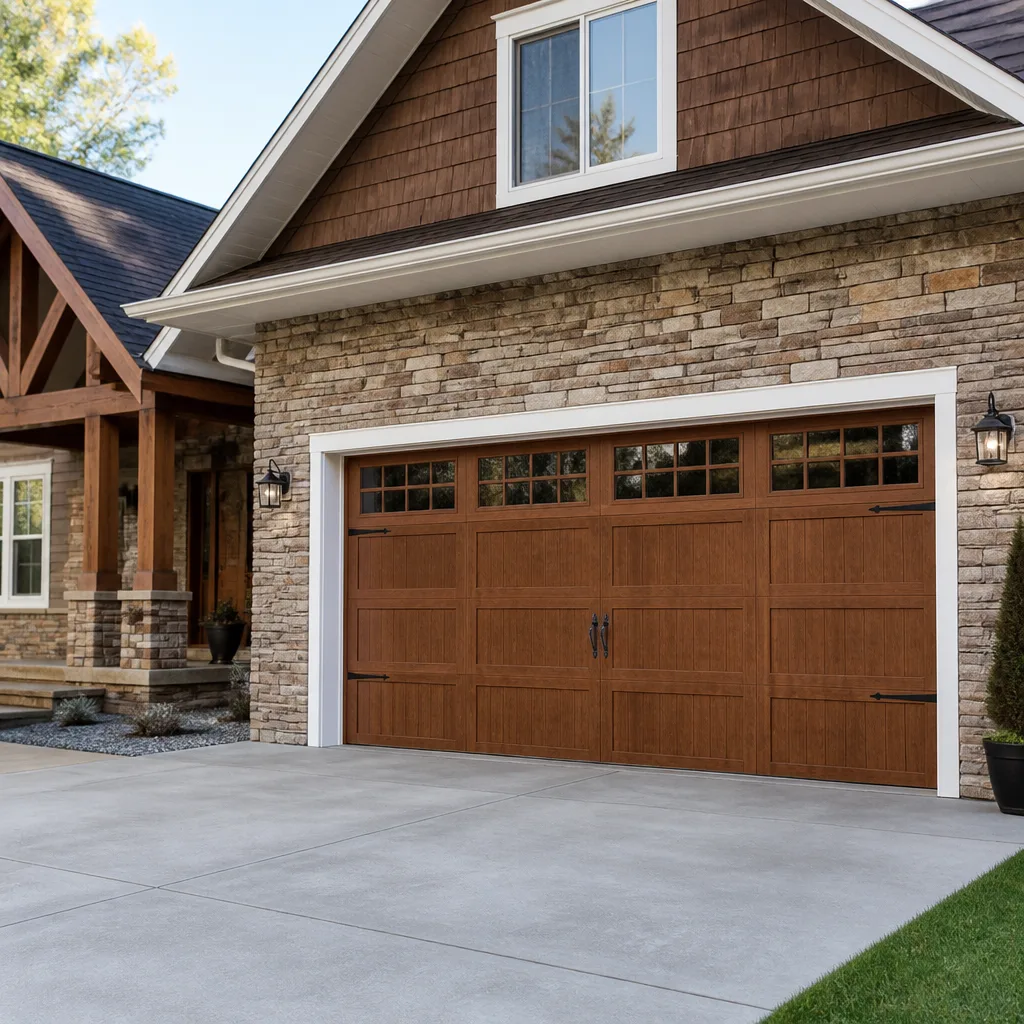
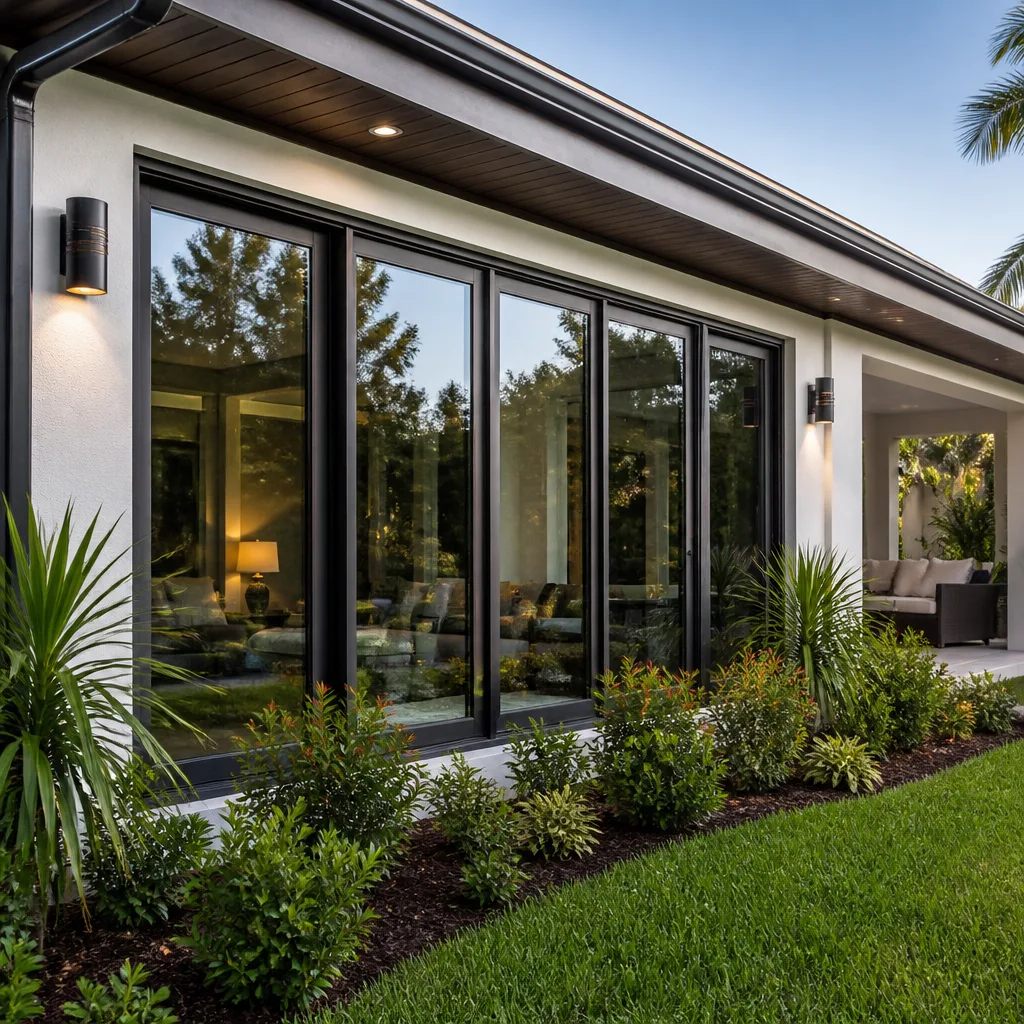
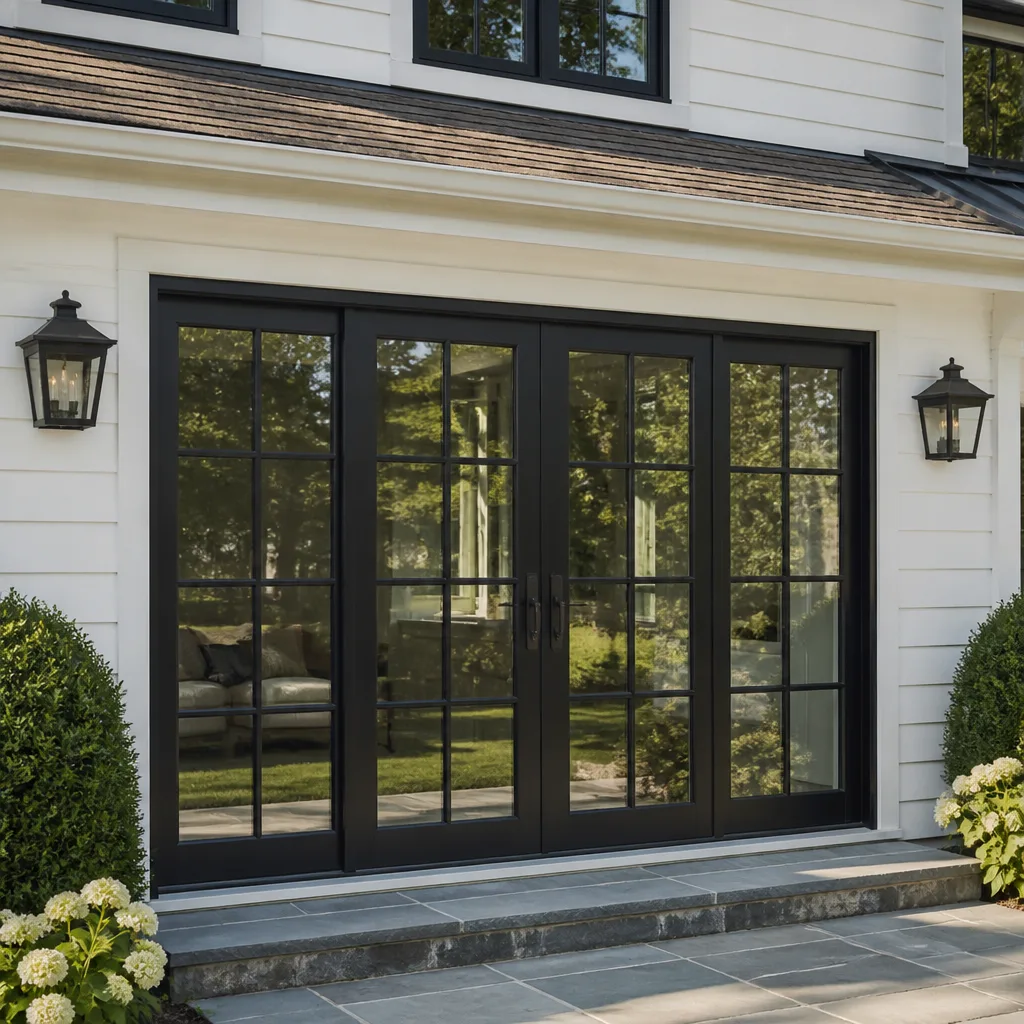
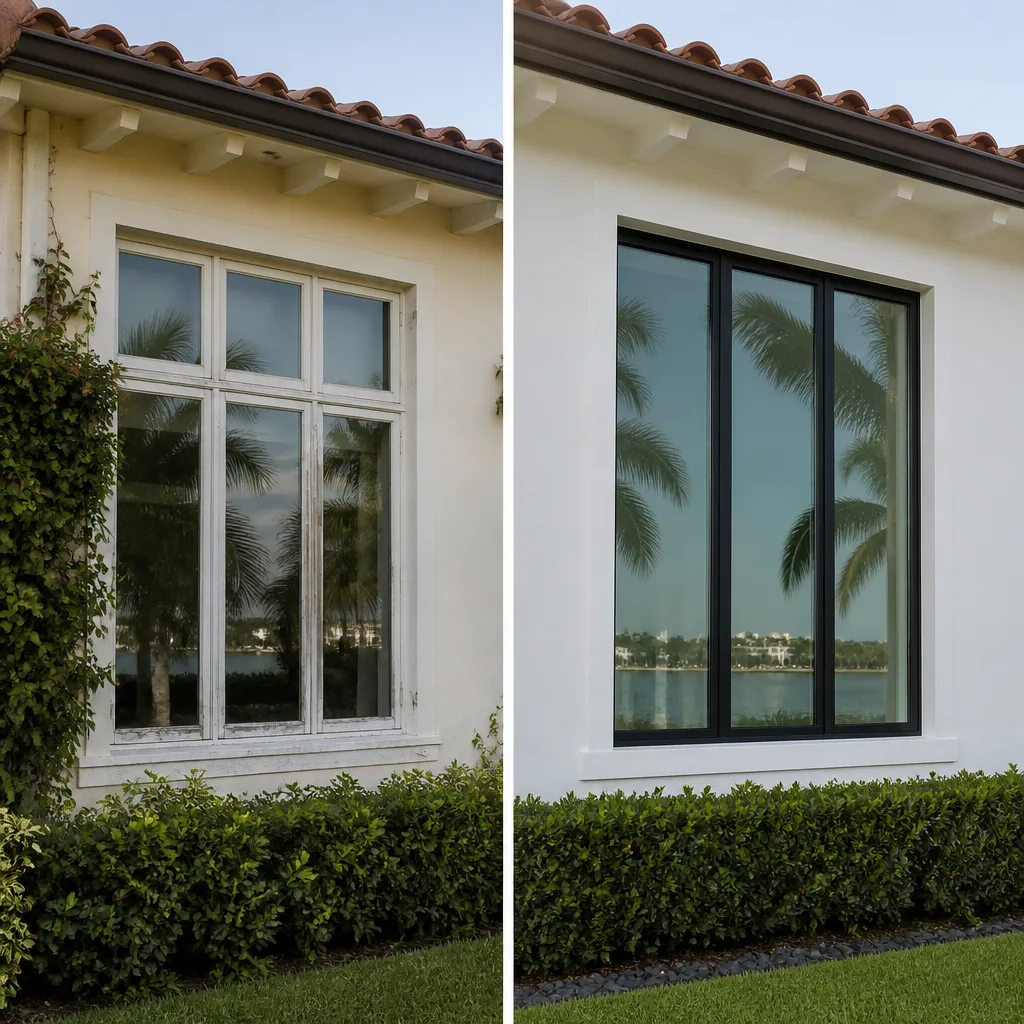
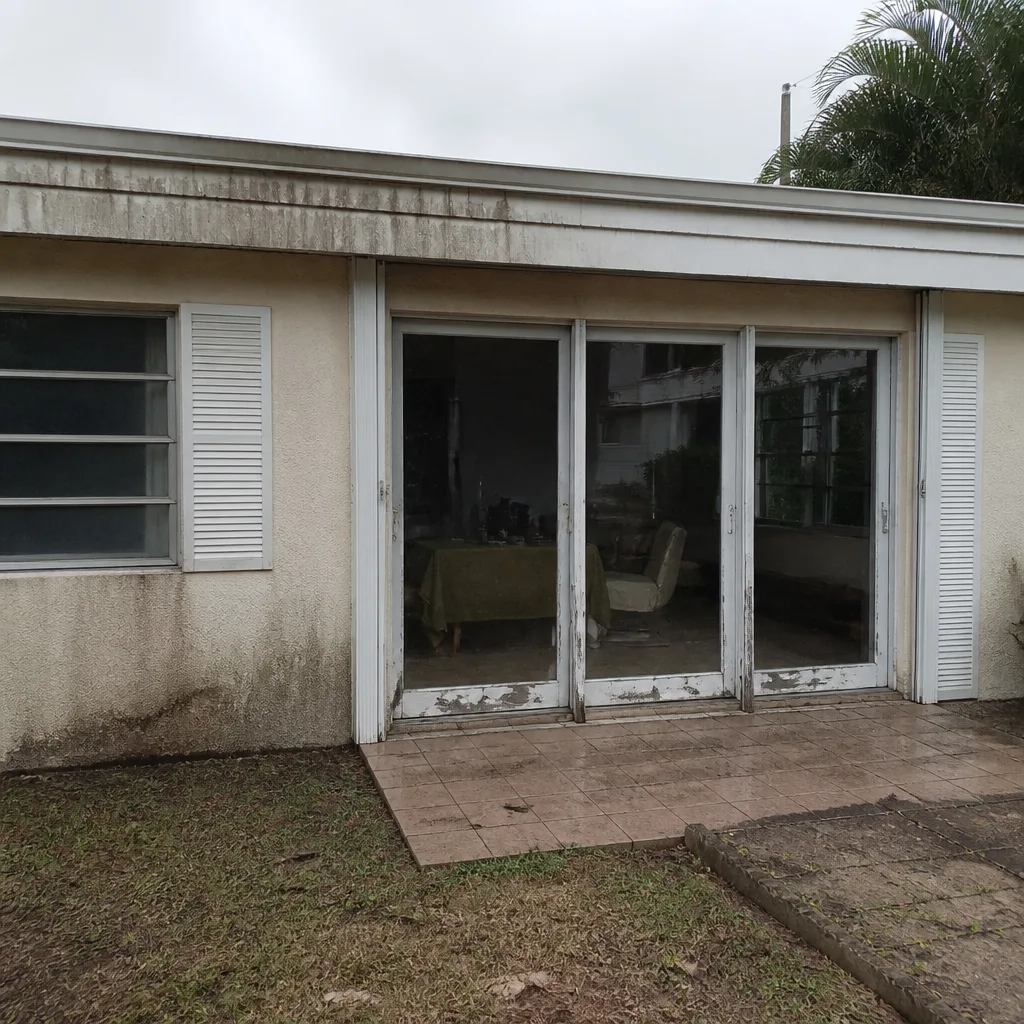 Before
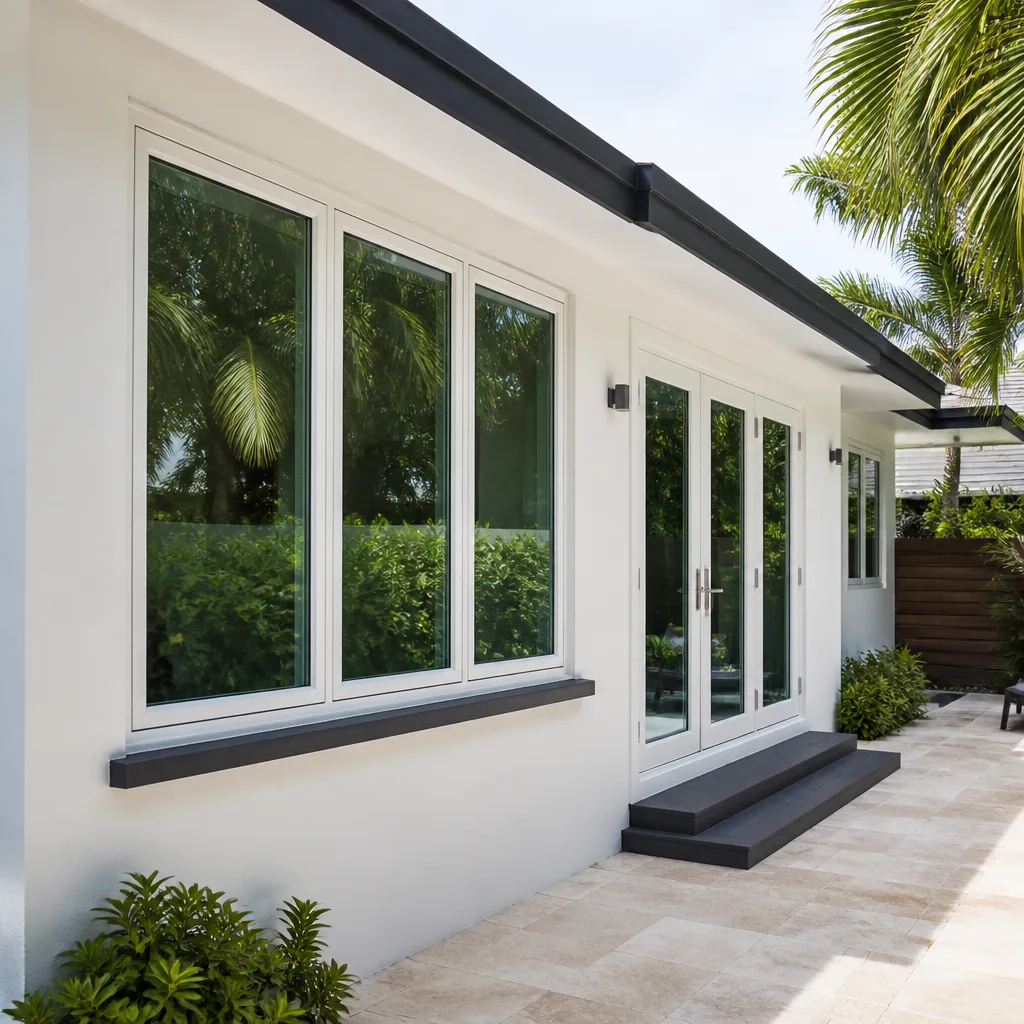 After
After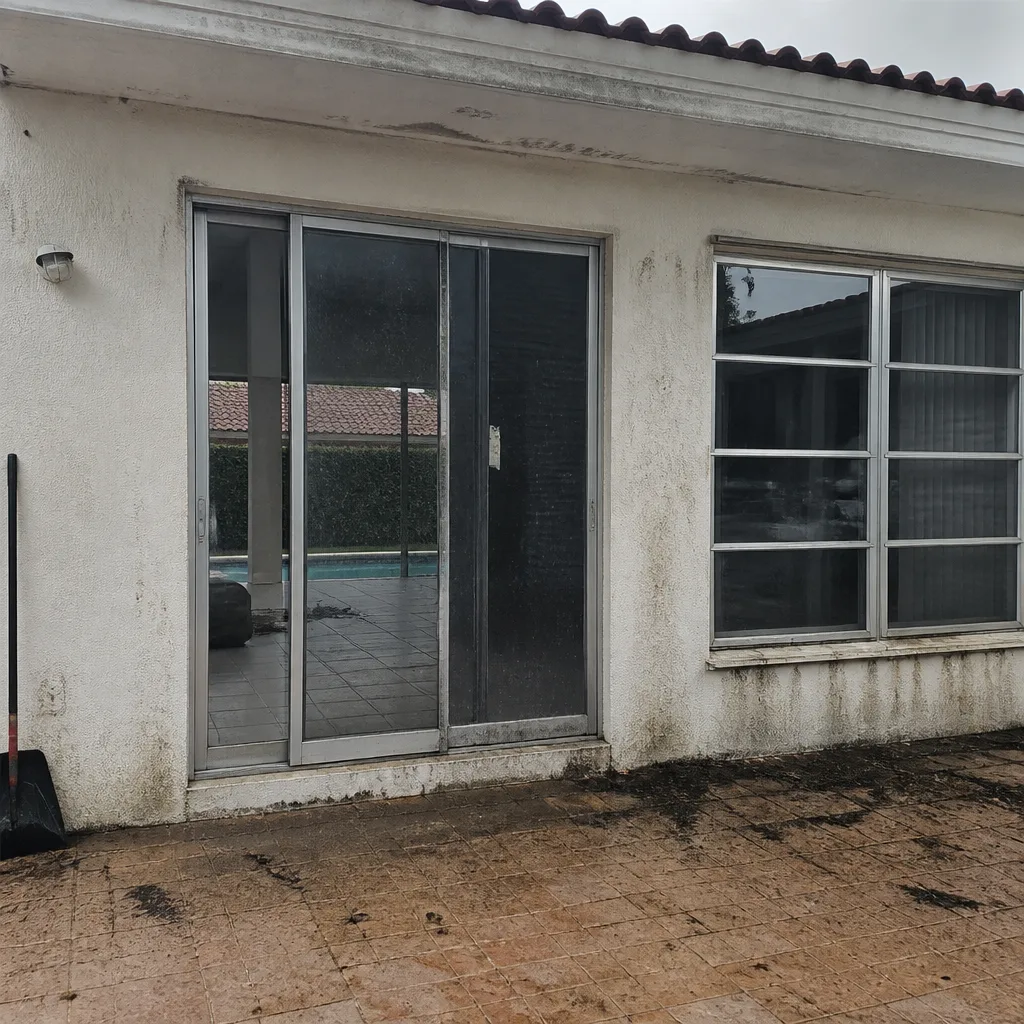 Before
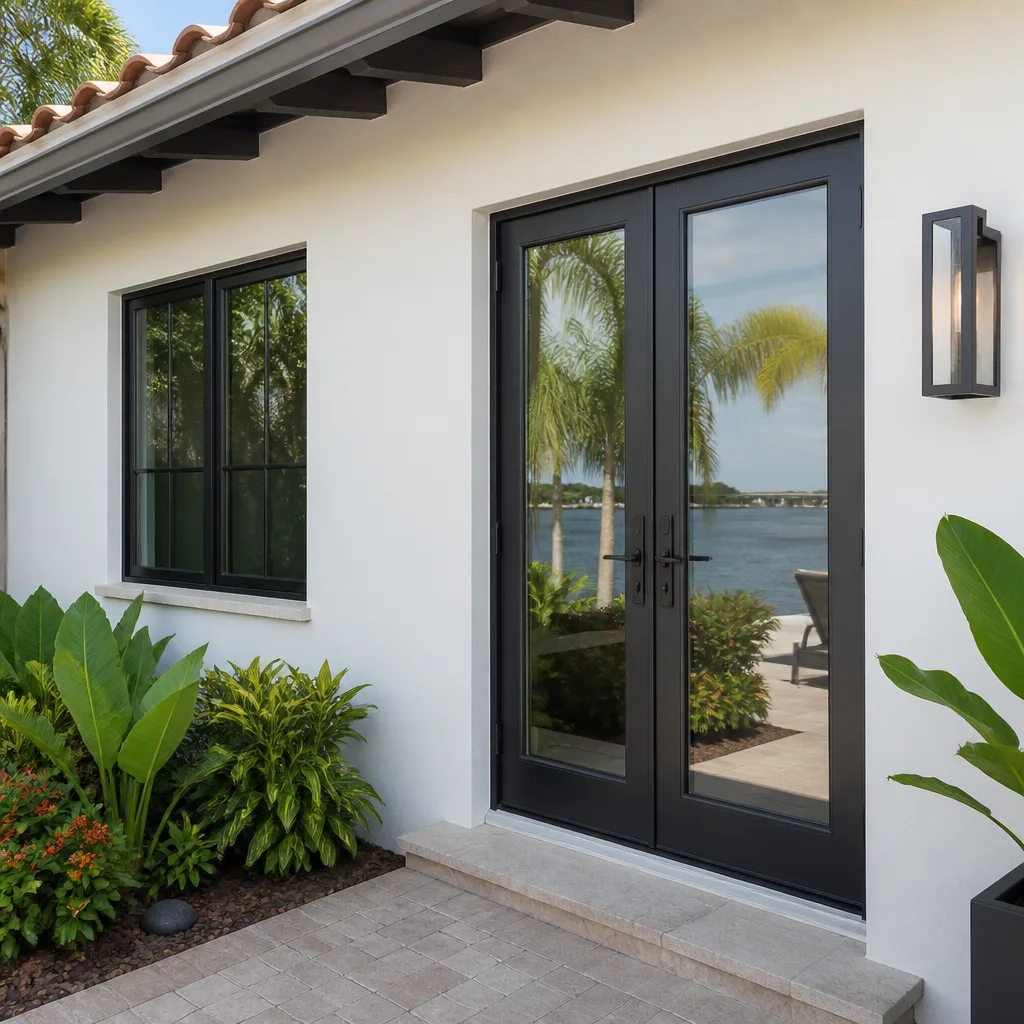 After
After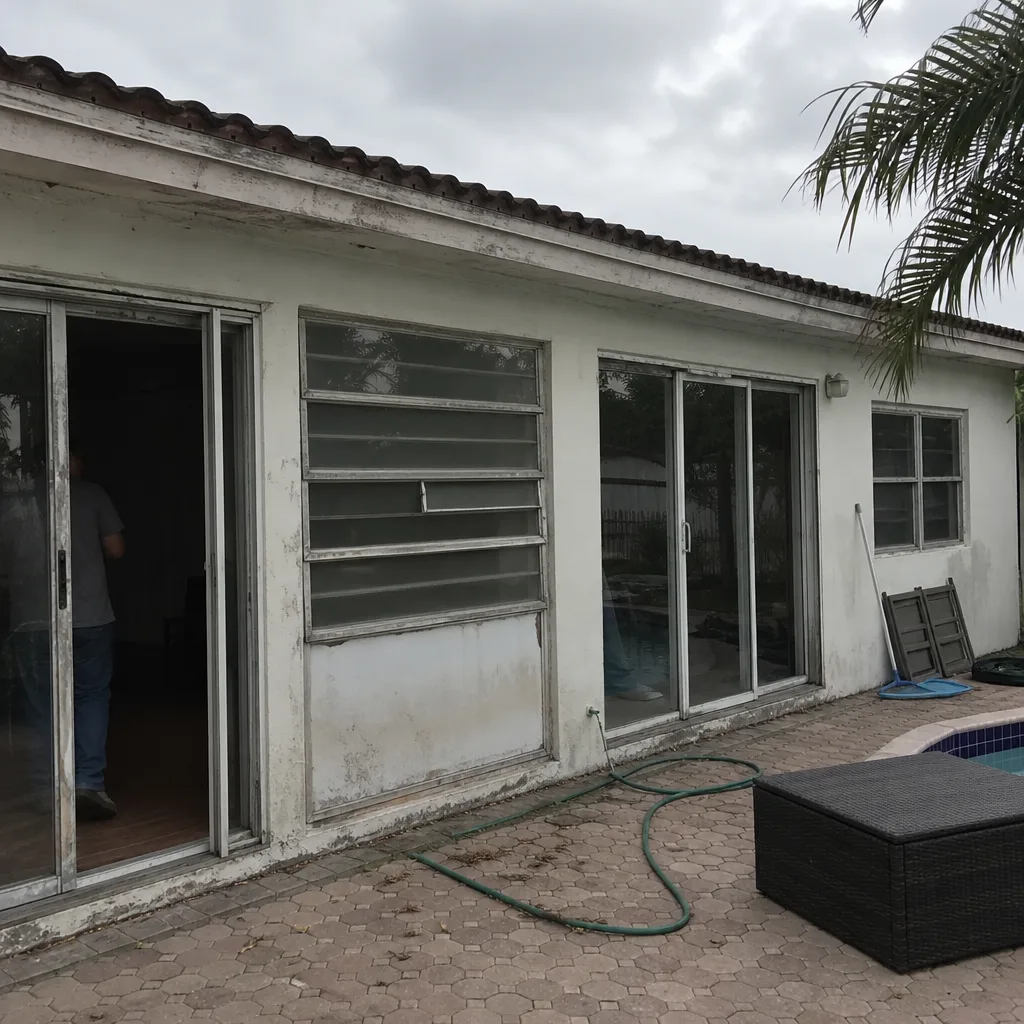 Before
 After
AfterFast, Reliable Window Installation Across Country Club
Window installation in Country Club is almost never a simple swap. It’s a full-system upgrade on homes built before Miami-Dade’s post-Andrew High-Velocity Hurricane Zone code took effect, and it has to be done with products carrying a Miami-Dade Notice of Acceptance (NOA). We know that because we’ve worked through it on block after block of 1980s CBS tract homes off NW 186th Street, around Miami Lakes Drive, and through the townhome subdivisions near the Palmetto Expressway. Whether you need casement windows, 3-panel sliders, or a whole-home package, we’ll spec the right units, pull the county permit, and install them correctly the first time. Call (844) 901-4551 for a free in-home measure and written quote.
What Window Installation Costs in Country Club
Impact-rated window installation in Country Club typically runs $800 to $1,500 per window installed, depending on opening size and framing condition. A standard impact single-hung window lands between $900 and $1,800 per unit. Large or custom openings, like a picture window or a bank of casements, run $2,500 to $5,000 each. Whole-home packages across a 3- or 4-bedroom Country Club home generally fall between $8,000 and $25,000+. What moves the price here? Opening count, frame material, design pressure rating on the specific wall, and whether the existing rough opening needs remediation from years of salt-air corrosion. We give you a fixed, line-item price after the free in-home measure. No change orders. Call (844) 901-4551 to schedule yours.
Why Winslow Windows & Doors Is Country Club’s Preferred Window Installation Company
Ed Winslow founded this company in 2011, and his name is on every job we do. Homeowners in Country Club keep calling us back because we answer the phone with a live person, 24 hours a day, and because our technicians show up in uniform, background-checked, and ready to explain exactly what’s wrong and what it costs. We don’t hand you a ticket number. We hand you Ed’s word, backed by the Done Right Promise: if it’s not done right, we make it right. Period.
We work in Country Club’s 33015 ZIP regularly. That means we know the specific failure patterns on this housing stock: corroded aluminum frames at the jamb and sash, non-impact single-pane glass, sliding-door thresholds rotting from standing water. We also know the permit process intimately. Country Club is unincorporated Miami-Dade, so every window permit goes through the County Building Department and must cite a valid NOA product-approval number. Out-of-county contractors miss this constantly. We don’t. And our published address and license number are printed on every estimate, so you always know who you’re dealing with.
Coastal-Spec Materials: Why Country Club Decides the Metal, Not Just the Glass
The salt air here doesn’t just haze the glass. It eats the hardware. In Country Club’s flat, low-lying western edge of Miami-Dade, abutting Everglades drainage with no natural windbreak, humidity and salt-laden air work on aluminum frames year-round. We regularly see window jambs on 1980s homes where the aluminum has oxidized to a white crust, seizing the sash, and threshold screws on sliding doors that have rusted through entirely. The cheap inland-spec fix uses zinc-plated fasteners, standard aluminum extrusions, and unsealed joints. It looks fine for two or three years. Then the frames start to bind, the weep holes clog with corrosion, and the design pressure rating the county required is quietly compromised.
We specify differently for Country Club. Stainless or hot-dip galvanized fasteners. Marine-grade finish on frames where the spec allows. Sealed joints at the sill and threshold. The coastal-spec version of a typical Country Club job costs maybe 10 to 15 percent more than the inland-spec quote you’ll get from an out-of-area installer. What you’re paying for is a window that still opens and seals a decade from now, instead of one that’s stuck shut and dripping air the first time a tropical system loads the wall. The cheap spec costs more within ten years. Every time.
A case from the field: on a 1980s CBS tract home off NW 186th Street, our crew replaced corroded aluminum single-pane windows with PGT impact-rated casement and picture units carrying Miami-Dade NOA approvals. The original frames had failed at the jambs from years of salt-laden humidity, and the homeowners’ insurer had denied wind mitigation credits until we installed the new laminated glass interlayer windows and provided the NOA documentation for the county permit. That’s what a full-system replacement looks like in Country Club, and it’s what we do on most of the jobs we quote here.
Our Window Installation Services in Country Club
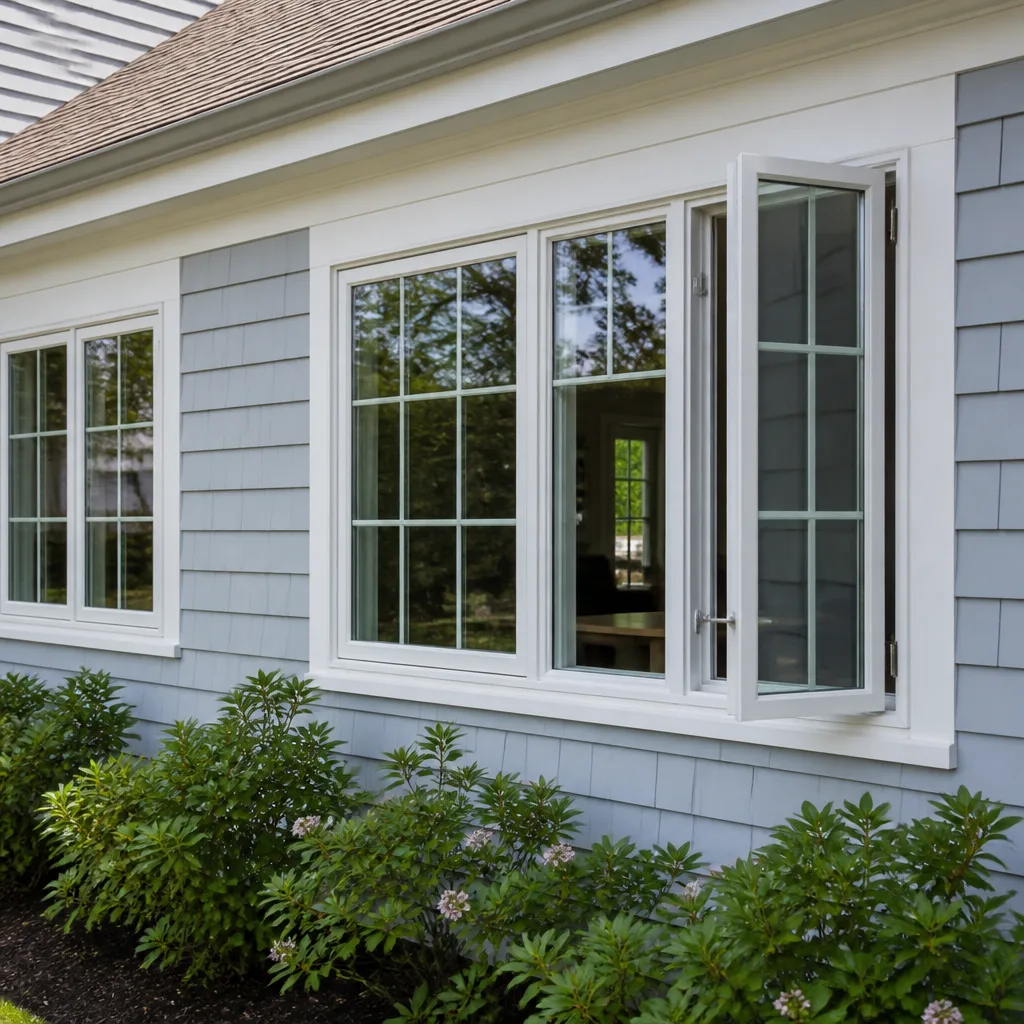
Casement Windows
Casements are one of the best choices for Country Club homes because they seal tighter than sliding or hung windows when wind pressure hits them, and they’re available in impact-rated configurations with Miami-Dade NOA approvals for every opening we’ve specified in the 33015 ZIP. We’ve installed them throughout the townhome subdivisions near Carol City and on single-family CBS homes along 186th Street and the quieter streets off 57th Avenue. The crank mechanism gives you a positive compression seal at the frame, which matters when a tropical system is pushing rain sideways against the glass.
Horizontal Roller Windows
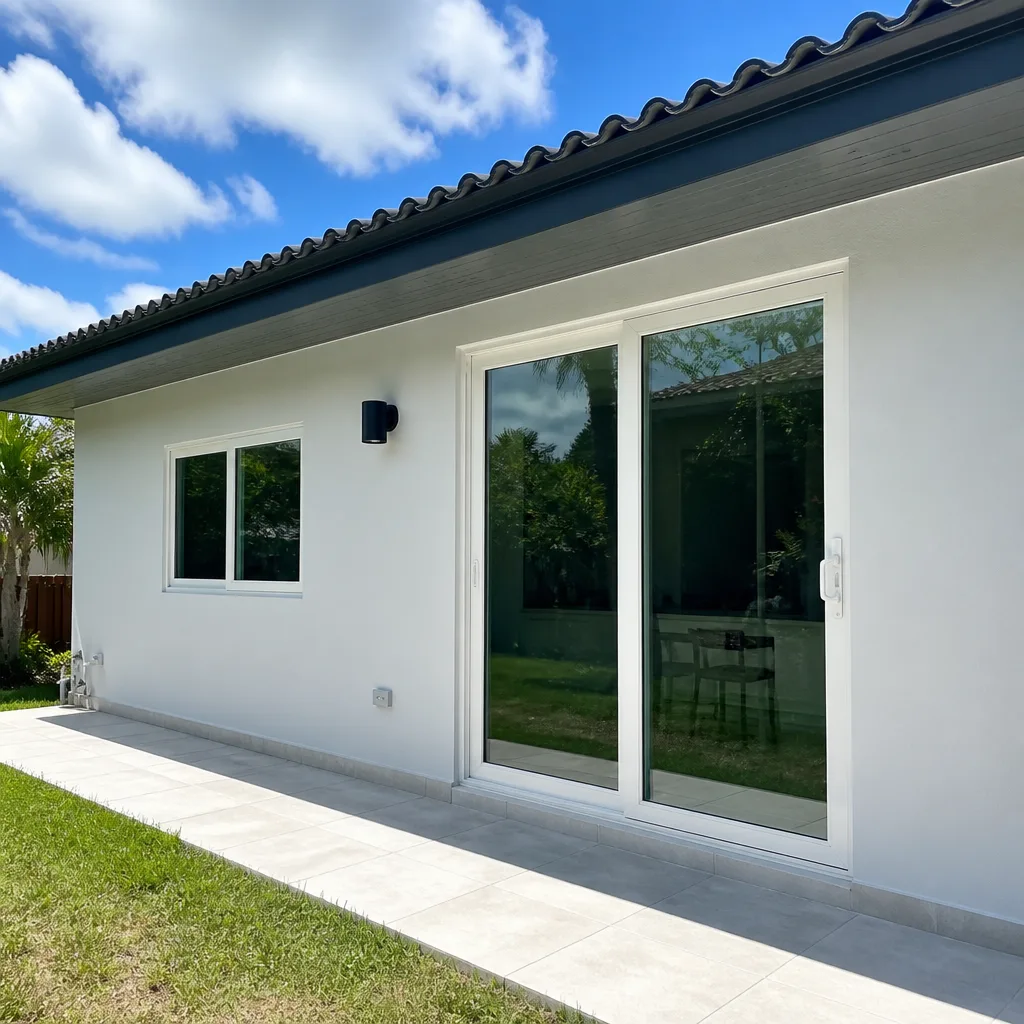
Horizontal roller windows are common in Country Club’s 1980s floor plans, usually in bedrooms and utility rooms. The problem is the original rollers and tracks were never designed for decades of salt-air exposure, and we regularly see them bound up or off-track. Our replacement units use corrosion-resistant hardware and impact-rated laminated glass, which means you get smooth operation and a design pressure rating that actually meets current HVHZ requirements.
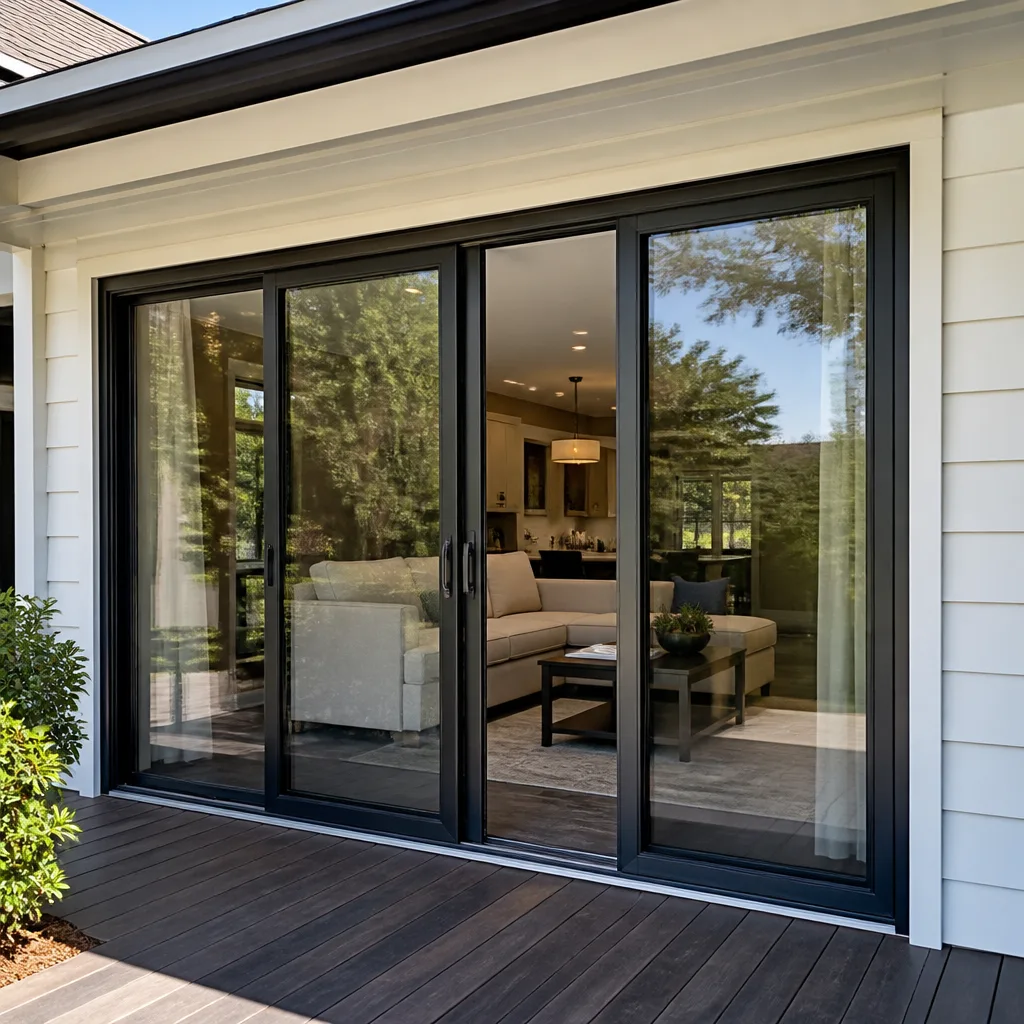
3-Panel Sliding (3-Lite Roller) Windows
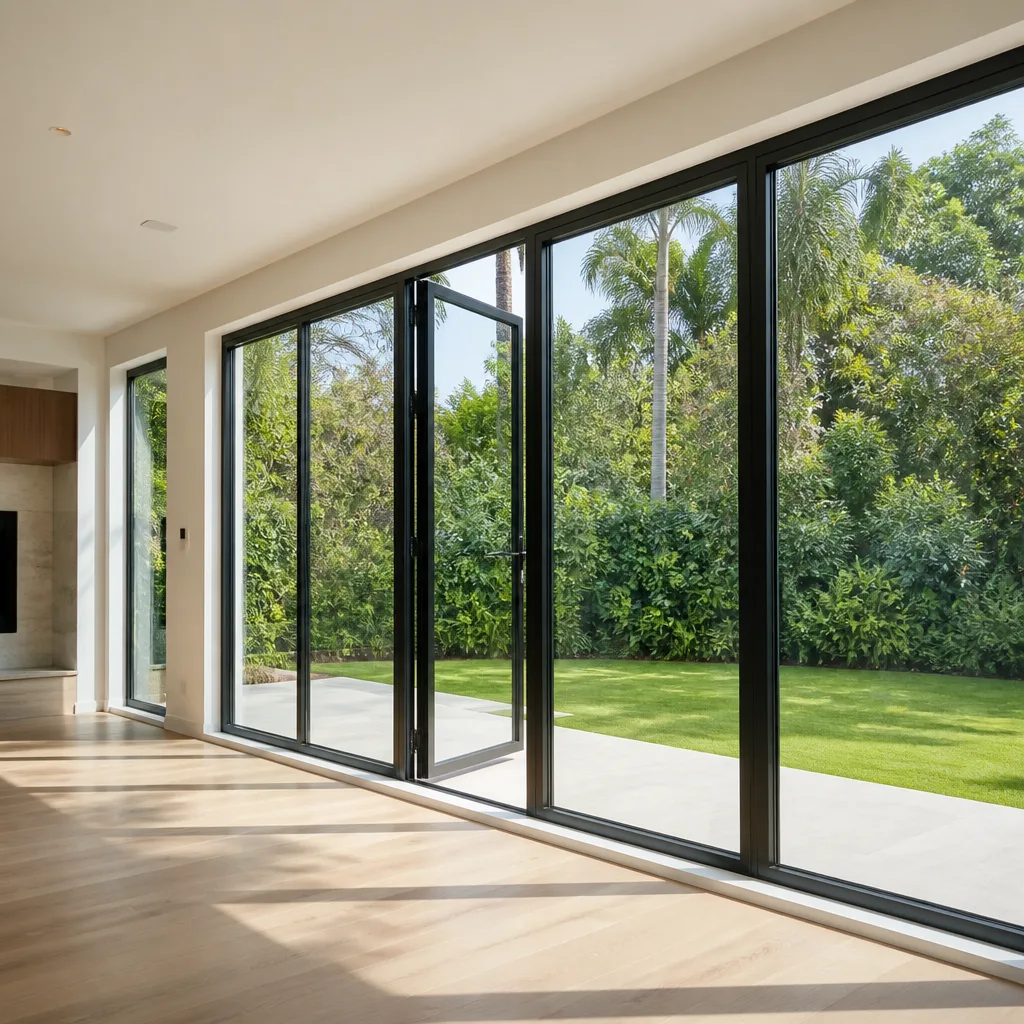
A 3-panel slider opens up a whole wall of light, which is exactly what Country Club homeowners want in rear-facing rooms that look out toward the Everglades drainage edge. The original units in this area are almost always non-impact and have oxidized frames by now. When we install a 3-lite roller here, we spec Miami-Dade NOA-approved impact units, replace the sill and track, and make sure the drainage paths are clear so standing water never pools against the frame again.
Picture & Fixed Windows
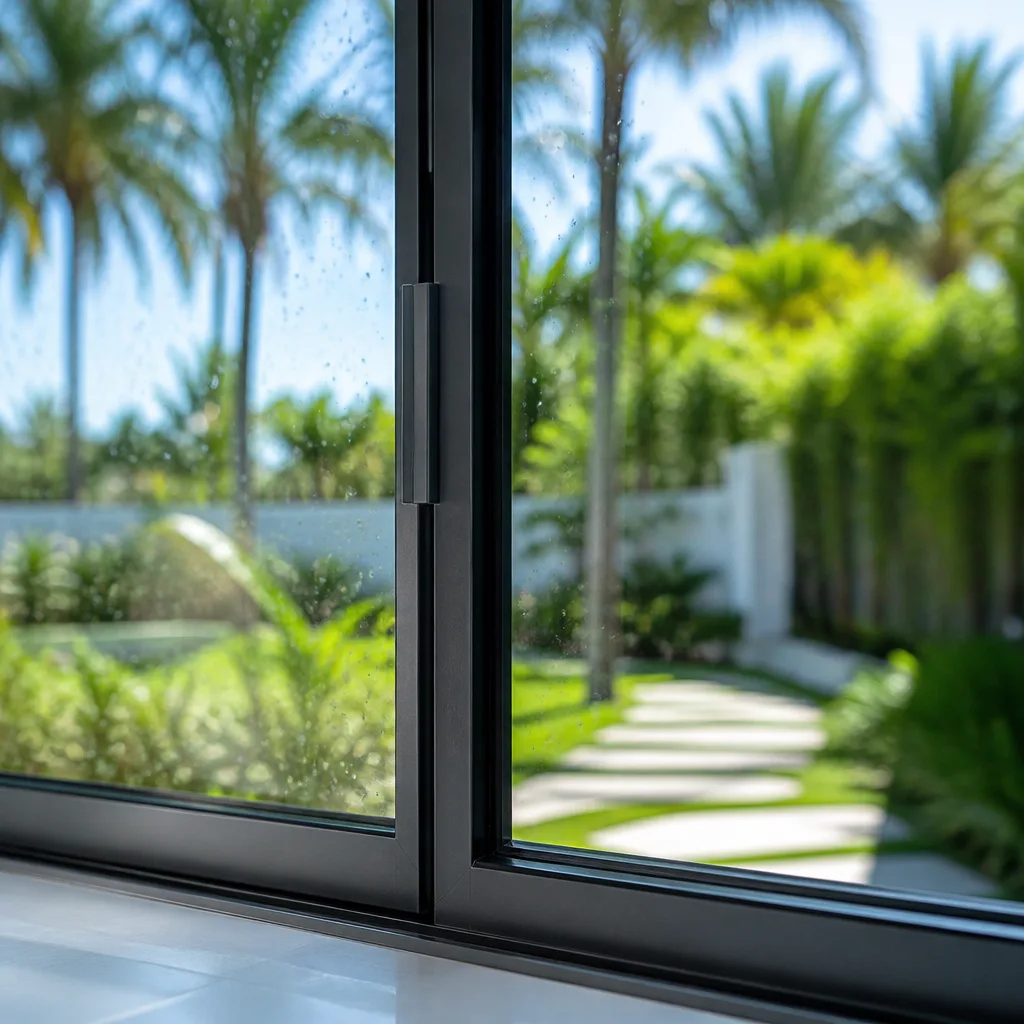
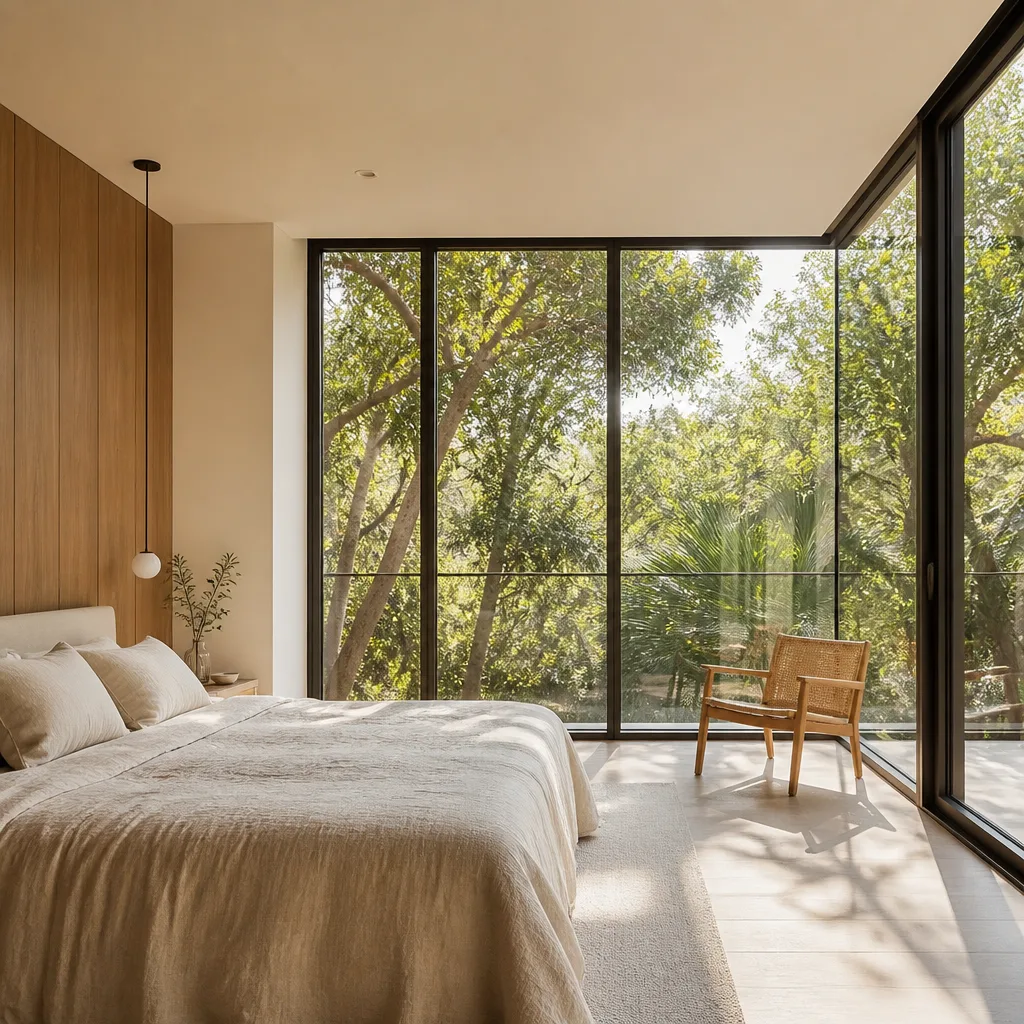
Fixed windows are about the view and the frame, and in Country Club, that frame has to resist the same wind load as an operable unit. Large fixed openings need higher design pressure ratings than the standard window, especially on the west-facing walls where afternoon storms slam straight in from the Everglades side with no treeline. We carry CWS and ES Windows fixed units with NOA approvals for those large openings, and we match the frame finish to the rest of your home.
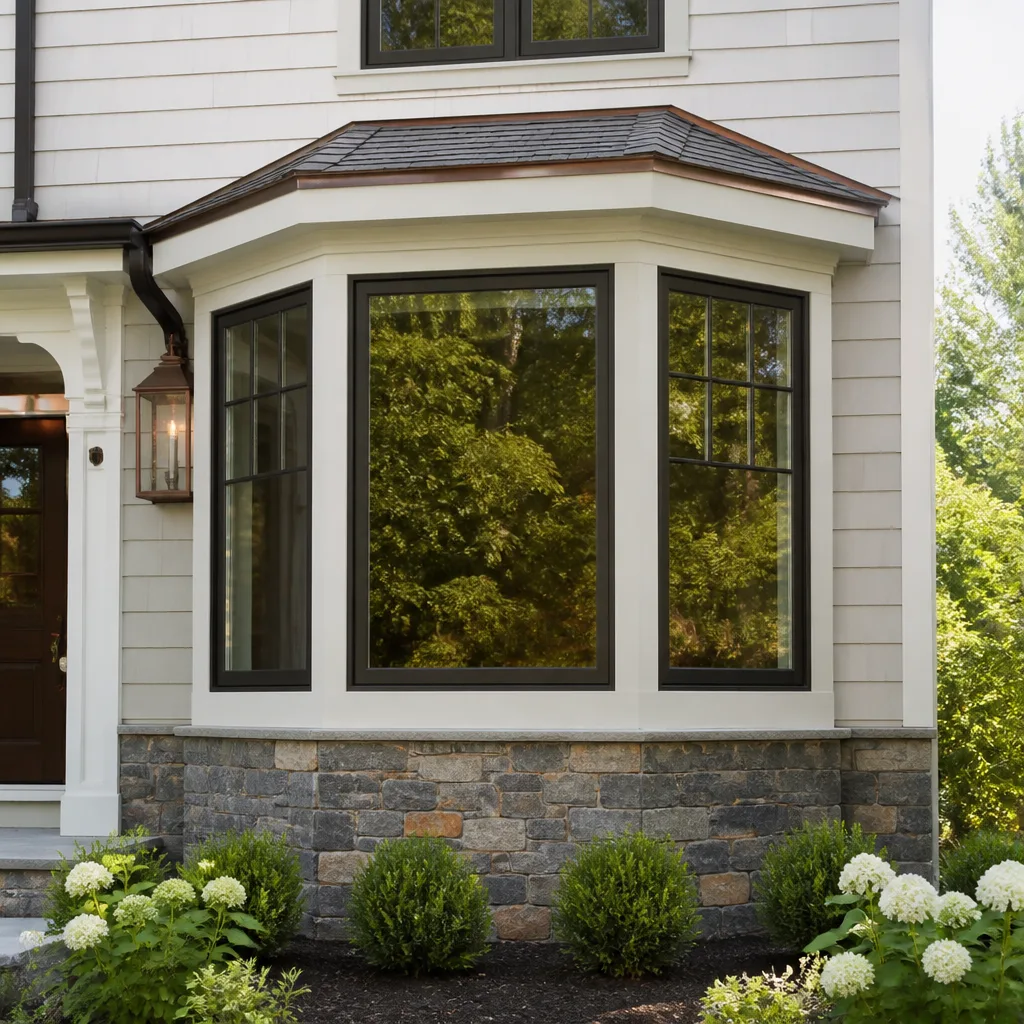
You can see the full range on our Window Installation page, including double-hung, awning, bay, and garden windows. But the four above are the ones we quote most often in Country Club.
What happens when you call
- 1
A real person answersNo phone trees — you reach a local pro.
- 2
You get an upfront price rangeHonest numbers before anyone is dispatched.
- 3
A background-checked tech heads outLicensed & insured, dispatched right away.
- 4
You approve before work beginsNothing starts until you say go.
Trusted Brands We Service in Country Club
We’re an authorized installer for eight brands, and in Country Club we lean heaviest on PGT, CGI, and CWS because their product lines carry Miami-Dade NOA approvals for the specific sizes and design pressures this wind zone demands. That means we’re not calling around after you sign to figure out if a unit is even legal to install here. We order from the factory with your opening dimensions and the required NOA number on the paperwork, and we stock the common parts and hardware for these brands so repairs and adjustments don’t wait on a slow supply chain. If you’ve got an existing CGI or CWS window that needs service, we can typically diagnose and quote it in one visit.
Common Window Installation Problems We See in Country Club Homes
- Aluminum frame oxidation at the jamb and sash. Years of salt-laden humidity and standing water after heavy afternoon storms corrode the original aluminum extrusions, making sashes stick or jam. You’ll notice white crusty deposits around the frame, or a window that suddenly won’t close flush.
- Non-impact single-pane glass shattering under large-missile impact. These homes predate HVHZ large-missile rating requirements. A branch, a roof tile, anything airborne at 100 mph goes straight through original 1980s single-pane. The fix is a full-unit replacement, not a reglaze.
- Sliding glass door thresholds rotting from periodic standing water. The flat lot grading in much of the 33015 ZIP means water sits against the threshold after heavy rain. Rot there undermines the seal and compromises the design pressure rating of the adjacent window wall.
- County permit denials from missing NOA documentation. Because Country Club is unincorporated Miami-Dade, every window permit requires a valid NOA product-approval number. Contractors used to Florida statewide product approval get flagged here, and the homeowner is the one stuck with the delay.
Florida Pays You Back
Upgrading to impact windows in Country Club isn’t just about surviving the next storm. There’s real money coming back. The My Safe Florida Home program offers matching grants up to $10,000 for qualifying wind-mitigation upgrades, and impact windows are an eligible improvement for many homeowners. Florida also waives sales tax on impact-resistant windows and doors, which takes a meaningful bite out of a whole-home project. On the federal side, the 25C energy credit covers 30 percent of product cost up to $600 per year on qualifying energy-efficient units. And your windstorm premium typically drops after a wind-mitigation inspection, with credits averaging around 25 percent on the windstorm portion of the premium. The inspection itself runs $75 to $150. Programs and carriers set final numbers, so we’ll point you to the right forms and let the state decide. Upfront, honest, no promises we can’t keep.
Pricing for Window Installation in Country Club, FL
We already gave you the ranges above, but here’s the honest reality of what drives the number. A two-window bedroom replacement with impact single-hung units runs roughly $1,800 to $3,600 installed. A whole back wall with a 3-panel slider and two flanking casements lands around $4,500 to $8,000. Full-home packages start around $8,000 and climb from there based on count, sizes, and how much frame remediation the old rusted units left behind. We quote fixed prices in writing after we measure, and we honor that number. Seniors and veterans get a permanent 10 percent discount. Any repair over $200 takes $40 off. And we never charge a trip fee inside our home county. Call (844) 901-4551 for the exact number on your house.
We Also Serve Cities Near Country Club
Our Country Club crews regularly run routes into Palm Springs North, Miami Lakes, Carol City, and Lake Lucerne. If you’re in one of those areas, you’re still getting the same local team and the same Window Installation in Country Club standards, just applied a few miles down the road.
Serving Country Club, FL — Our Local Coverage Area
We’re based in the Country Club area and know this community well. Use the map below to see our service coverage — if you’re nearby, we can almost certainly help.
FAQs — Window Installation in Country Club
Country Club sits inside Miami-Dade County’s High-Velocity Hurricane Zone, and because the community is unincorporated, permits are pulled directly through the County Building Department, which requires a Miami-Dade Notice of Acceptance on every window and door product. Florida Product Approval is the statewide baseline, but HVHZ standards are stricter, and a Florida Product Approval number alone will not get your permit through. We verify the NOA before we order, so there’s no hold-up at the county. Call (844) 901-4551 and we’ll walk you through the exact documentation your opening needs.
You can replace one window, and we do it all the time. The honest caveat is that the rest of the home’s original non-impact windows will remain unprotected, and you’ll only see wind-mitigation insurance credits on the openings you upgrade. Many Country Club homeowners phase the work: start with the most exposed wall, then work through the rest. We’ll quote any scope, from one casement to a full-system package. Estimates are free.
Country Club sits on the flat western edge of Miami-Dade with no treeline or terrain to slow a tropical system down, so wind loads hit windows harder than they do in tree-covered inland suburbs. That means the design pressure rating on your openings has to be higher, and not every impact window on the market meets the required DP for the larger or higher openings. We match the DP number to the specific wall and opening, and we never install a unit rated below what the county will accept.
In most cases, yes. A wind-mitigation inspection that verifies impact-rated windows, typically $75 to $150 in this area, is the trigger. Once that documentation hits your carrier, the windstorm portion of the premium can drop by roughly 25 percent on average. We can’t guarantee your carrier’s specific credit, but we provide every NOA and installation document your inspector will ask for. Call (844) 901-4551 and we’ll make sure the paperwork is ready before the inspection happens.
A Florida Product Approval means the product meets statewide building-code standards. A Miami-Dade NOA means it has been tested to the stricter High-Velocity Hurricane Zone standards, including large-missile impact and higher wind-pressure cycling. In Country Club, the county requires the NOA, period. If a contractor quotes you windows with only a Florida Product Approval number, the permit will not clear the County Building Department. We spec NOA-approved units exclusively in this ZIP.
Written by Ed Winslow, Owner at Winslow Windows & Doors, serving Country Club, FL since 2011.